
The history of this country is fascinating and tragic, having been invaded by both Germans and the Soviets (starting WWII), being home to the largest Nazi concentration camp, and having been under Communist rule until the late 1980s.
The people I met were friendly and kind, and the food was interesting and surprisingly tasty. I really loved my time here!
St. Mary’s Basilica
This church in Krakow was built in the 14th century and is a UNESCO World Heritage site. An example of Polish Gothic architecture, every hour, a trumpeter plays a signal from one of its towers into the Old Town Square. The church exterior is modest in comparison to other European churches, but the sanctuary is ornate and intricate with a lovely blue ceiling.


Town Square
The Town Square in Krakow dates back to the 13th century and is the largest medieval town square in Europe.


Walking around the city
The Old Town is surrounded by a green space and walking path. Near the town square is Wawel Castle. My airbnb was also within walking distance to Kazimierz, the Former Jewish District, with lovely buildings and the New Jewish Cemetery.


Krakow Food Tour
I took an evening food tour while in Krakow. Our guide was a Polish woman who grew up during Communist rule and she had so many interesting stories about that time!
One story was that during the Christmas holidays, families traditionally bought and prepared carp from the local market. Often the fish were difficult to come by and so families tended to buy them live, 1-2 days prior to Christmas, and allow them to swim in their bathtubs until they were killed and prepared on Christmas Day. She remembered playing with the fish every year and being very excited about not having to take a bath right before Christmas. 😂

We started the food tour at a local pierogi restaurant, where we sampled 3 savory and 1 sweet type of pierogi, all of which were really delicious! 😋
Next we visited a restaurant that served fresh borsht and a fermented milk based soup with potatoes and other veggies. Our guide told us that soup was very popular in Poland during Communist rule because it’s cheap to make and warm during Poland’s cold winters.


Our third stop was in a place that let us try traditional hearty dishes like potato pancakes, goulash, beet salad and dessert apple fritters.
Lastly, we stopped at a local bar to sample 2 types of Polish beer and 2 types of flavored Polish Vodka. It was a fun night!

Auschwitz
Having read a lot about WWII, I knew I wanted to visit Auschwitz. It was heartbreaking and overwhelming, but definitely an important site. I took a day tour to see the original Auschwitz, a former military base about an hour away from Krakow, which was initially a concentration camp for Polish political prisoners. Over time, it became the site of mass exterminations.


Auschwitz II-Birkenau
We also saw Auschwitz II-Birkenau, which was built during the war, in 1941, in order to carry out Hitler’s ‘final solution to the Jewish problem’. This site was enormous, so much larger in scale than I could have ever imagined, which made it all the more sad and shocking. One cattle car was still on the premises. These were used to transport Jews to the camp from all over Europe, often taking 2-3 days with few or no stops.
The barracks we visited would hold up to 700 people at a time, 5+ people being assigned to each level of 3 levels of bunks, the lowest on the floor. Each barrack only had 8 toilets. The barracks were not insulated, so incredibly hot during the summer and freezing in winter.
Thankfully, both gas chambers and crematoriums were destroyed after the war with dynamite. Now only rubble remains. A memorial from the 1960s stands at the edge of the camp with plaques reading the same line in 19 different languages, all the languages of prisoners in the camp.


Wieliczka Salt Mine
This salt mine is over 700 years old and extends 1072 feet below the surface of the ground! It has horizontal passages and chambers spanning over 178 miles. This mine provided table salt from the 13th century until 2007 and is now an official Polish Historic Monument and UNESCO World Heritage Site.
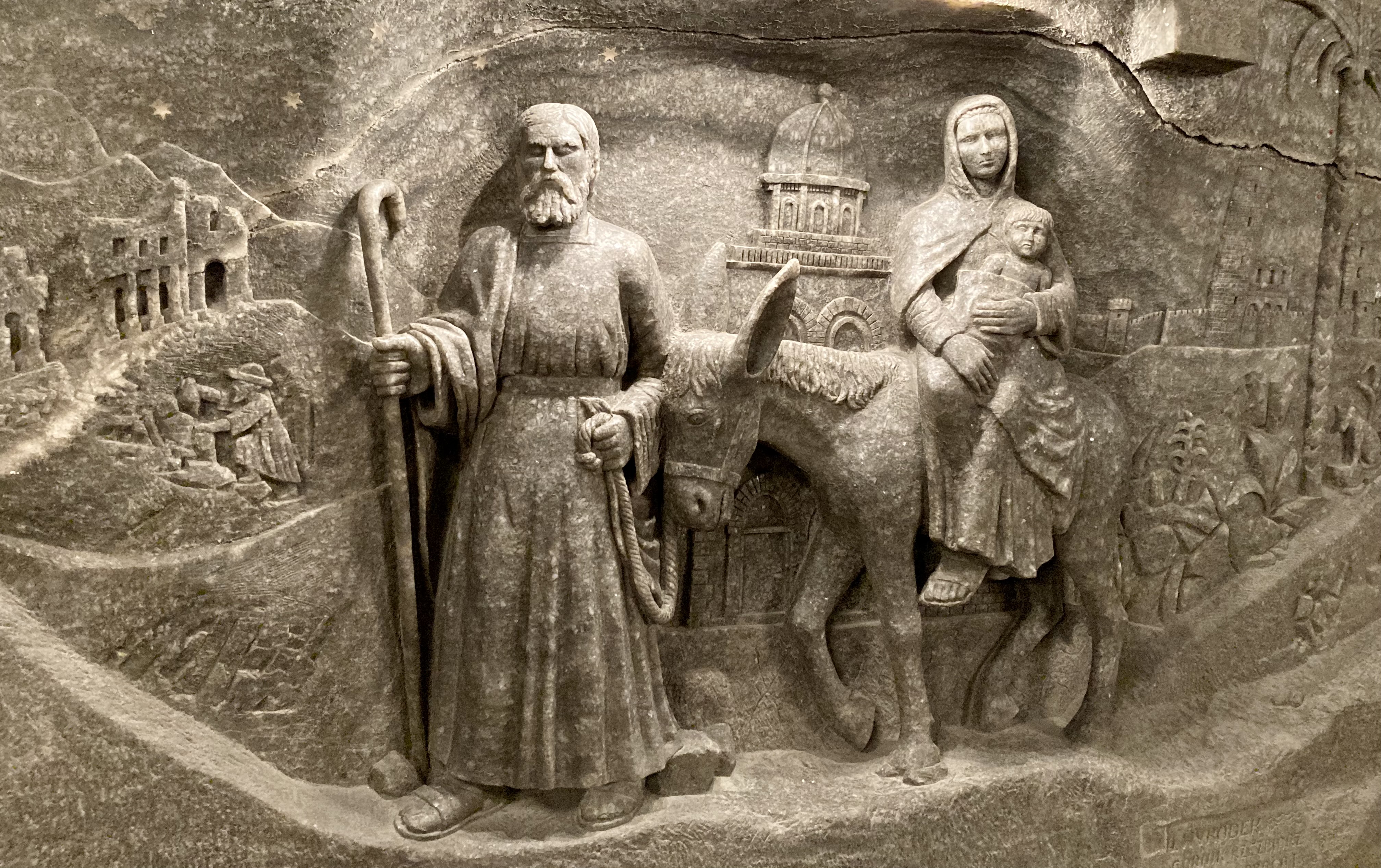
It has over 300 steps down to the first chamber, several chapels, and many intricate sculptures made out of salt. Several sites within the mine show how the original miners used hand tools to excavate the mine, working for 8 hours at a time and then ascending via salt stairways that were wet and slippery. In the beginning of the 16th century, horses were lowered into the mines and lived there for up to 5 years at a time, to aid with mining operations.


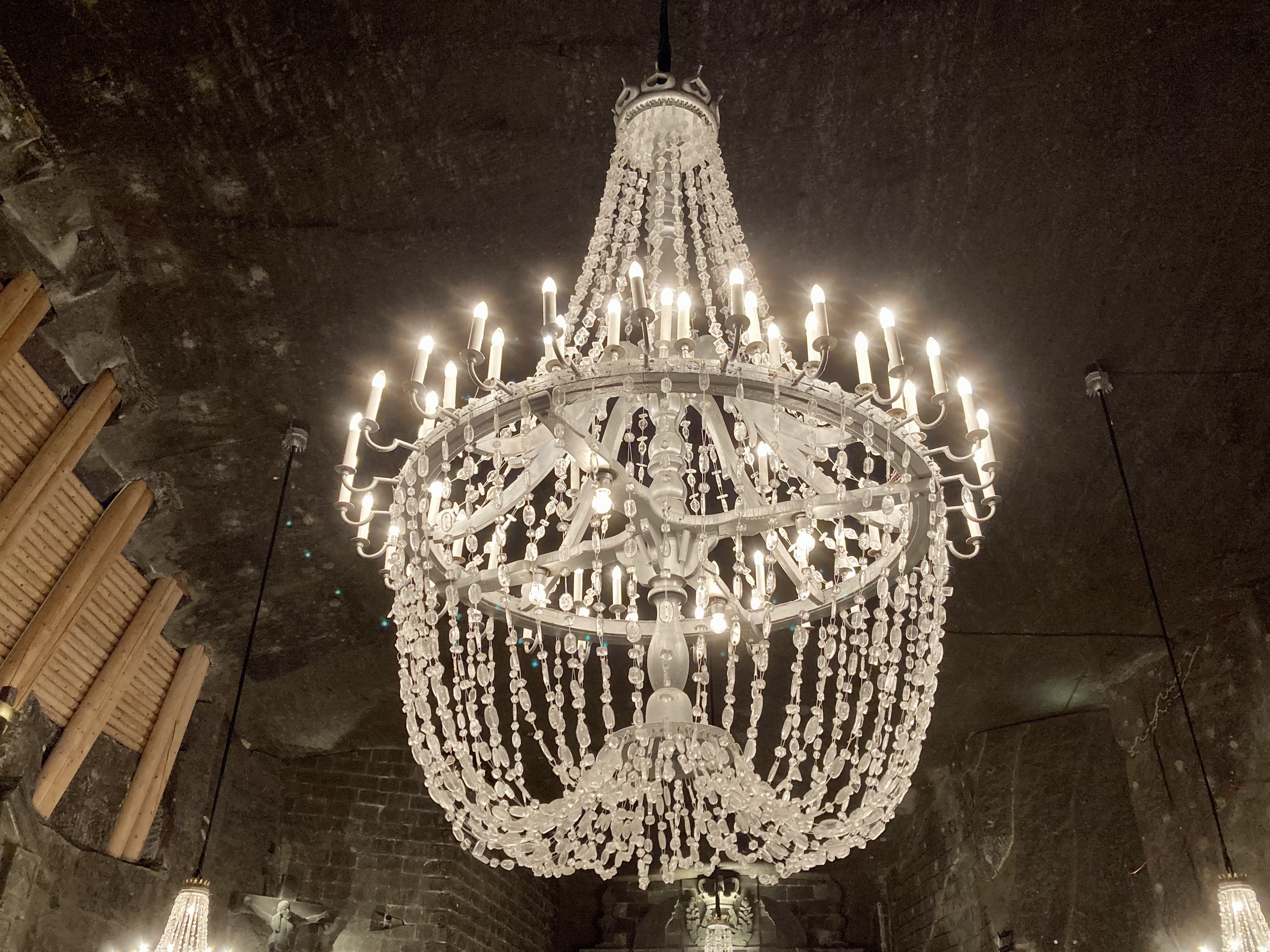
There are several underground chapels carved from the salt within the mines, the largest of these is the St. Kinga chapel, where church services and weddings are still held. The chandeliers are made of salt crystals. The sculptures are very detailed, which is impressive since the salt is quite crumbly and can fall apart easily.



It’s 3 months since I left the US! Thank you for coming on this adventure with me! Next stop: Turkey 😀
 The Adventure that Awaits
Karakow is such a gem! I had a quick stopover there and loved it….but I had never heard of thr salt mine! Sounds really cool! And the food tour sounds really cool 😍. I love following along your adventures!
LikeLiked by 1 person
Whoa! Those salt mines are amazing! The sculptures out of salt! Incredible!
LikeLiked by 1 person
I can’t believe the horses lived underground so long in the mines!
That story about the carp in the bathtub is great; no baths before Christmas, lol. All that food on the food tour looks delicious.
LikeLike