Iceland has been on my list of places to visit for ages, and thankfully, Andrea was excited to visit too, so we booked the 2nd half of our trip here! In winter, the sun rises around 11am and sets at 3:30pm, so it was dark for much of the day. It was very weird to get up and start the day, when it doesn’t get light until almost lunch time. 😂
The Blue Lagoon
This geothermal hot springs is located in a lava field about 30 minutes from Reykjavik. It is one of the 25 wonders of the world and the milky blue shade of water is due to the high silica content. We read that it could be very touristy and were worried about it being busy, but when we arrived at 9am, still in the dark, it was peaceful and lovely. We did a silica face mask, had drinks at the pool bar, and soaked for several hours…it felt very luxurious!
Reykjavik
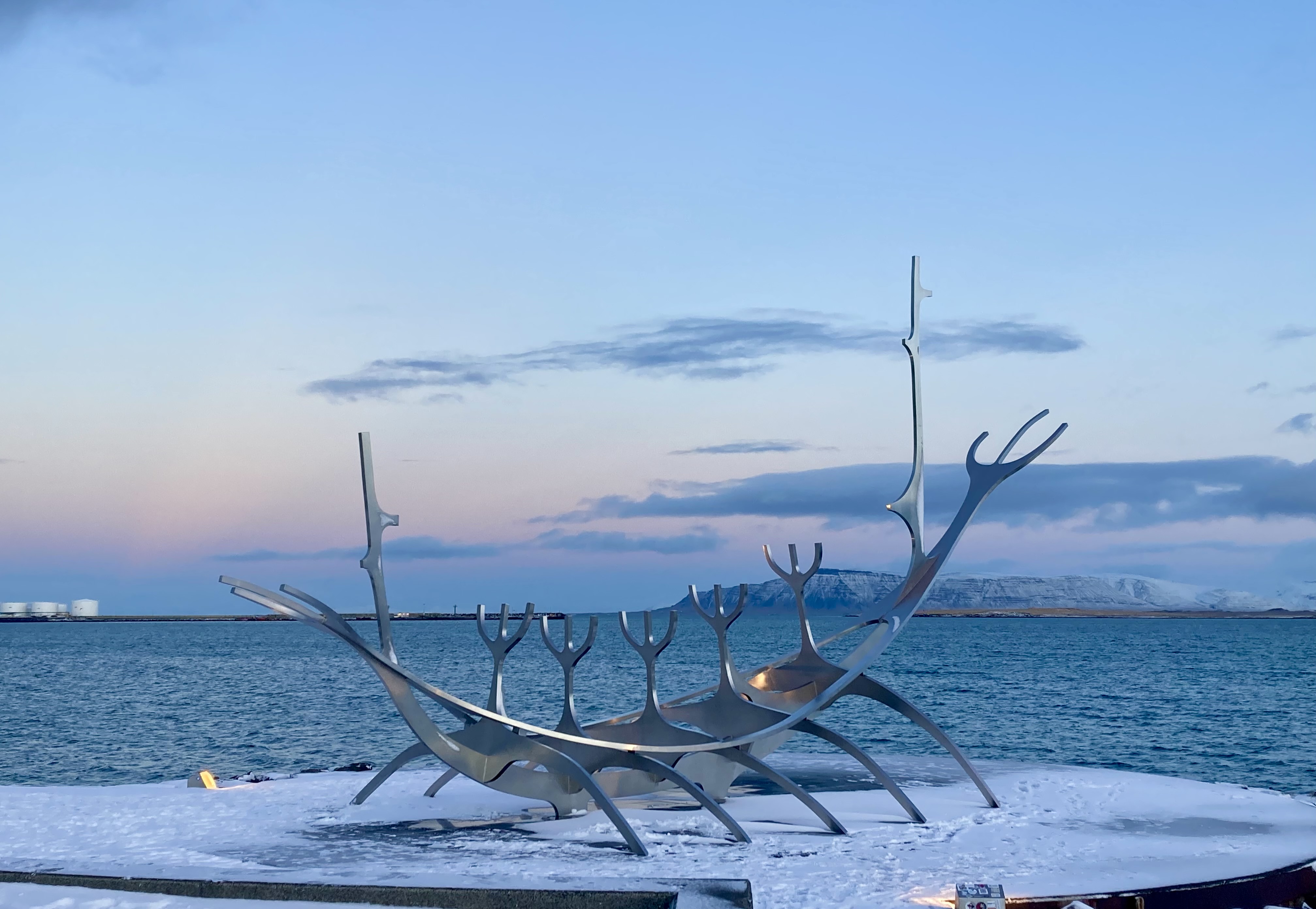
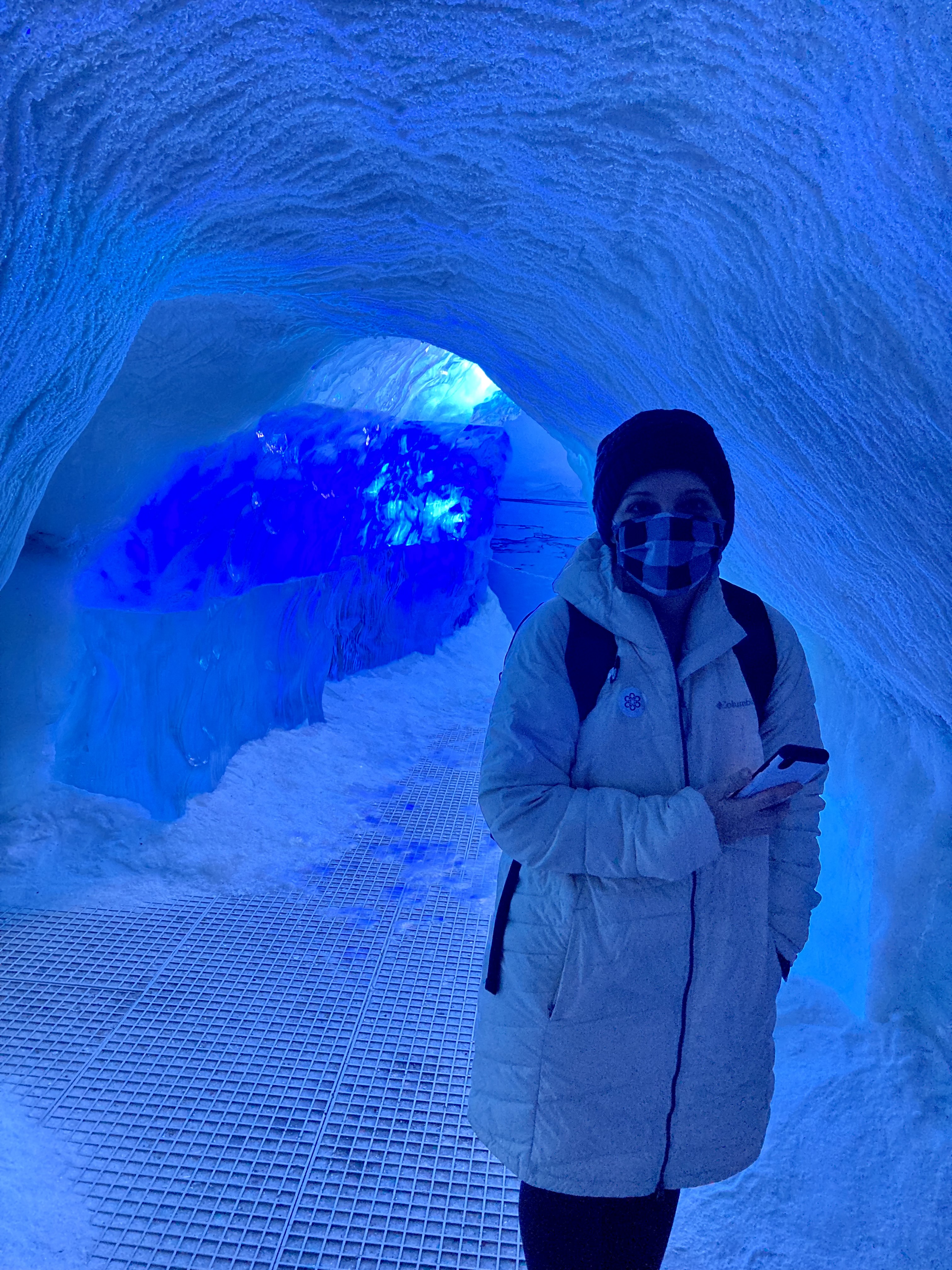
It snowed off and on during our exploration of the city, but was really beautiful (and much warmer than Finland). We were able to see the Sun Voyager statue on the water front, walk and shop along rainbow street, and visit the Perlan museum. In the museum, we watched a neat northern lights presentation in a planetarium, visited an ice cave and ate some delicious Icelandic ice cream.
Golden Circle
We took a day tour through this popular route to visit a volcano crater, a national park, the Gullfoss waterfall and a geothermal area that contains geysers.
Southern Iceland Tour
We took a second day tour to see more of the southern part of the island, including a black sand beach called Reynisfjara, formed from previous volcanic eruptions. The beach had a small area of basalt columns similar to those found in Northern Ireland! We also visited waterfalls, a glacier, and a quaint little village with pretty Christmas lights. The tourist rest areas were really nice and usually included a restaurant and cafe, souvenir shop and large bathrooms. The food was super expensive, but was always really high quality.
Hotel art work
In our hotel, which was super nice and felt fancy (Andrea had points and we got an upgrade to include a nice happy hour spread each evening), we were amused to find the following unusual paintings hanging in the hallway of our floor. 😳😂
Thanks again to everyone who has been following along with me on this journey!
I am so grateful for being able to connect with friends and family throughout these last few months, and especially grateful to have had a friend come and meet me! 😀
On this leg of the journey, my friend Andrea came to meet me (and to brave the December temps)! 🥶😉
We stayed in Helsinki and mostly explored the city by foot, bundling and layering in order to fend off the brisk wind and intermittent snow flakes. It got as cold as 7 degrees Fahrenheit but the weather report stated that it ‘felt like -13’. We appreciated the friendly locals, warm cafes and hot Glogg to keep us from freezing.
Cathedral and Christmas market
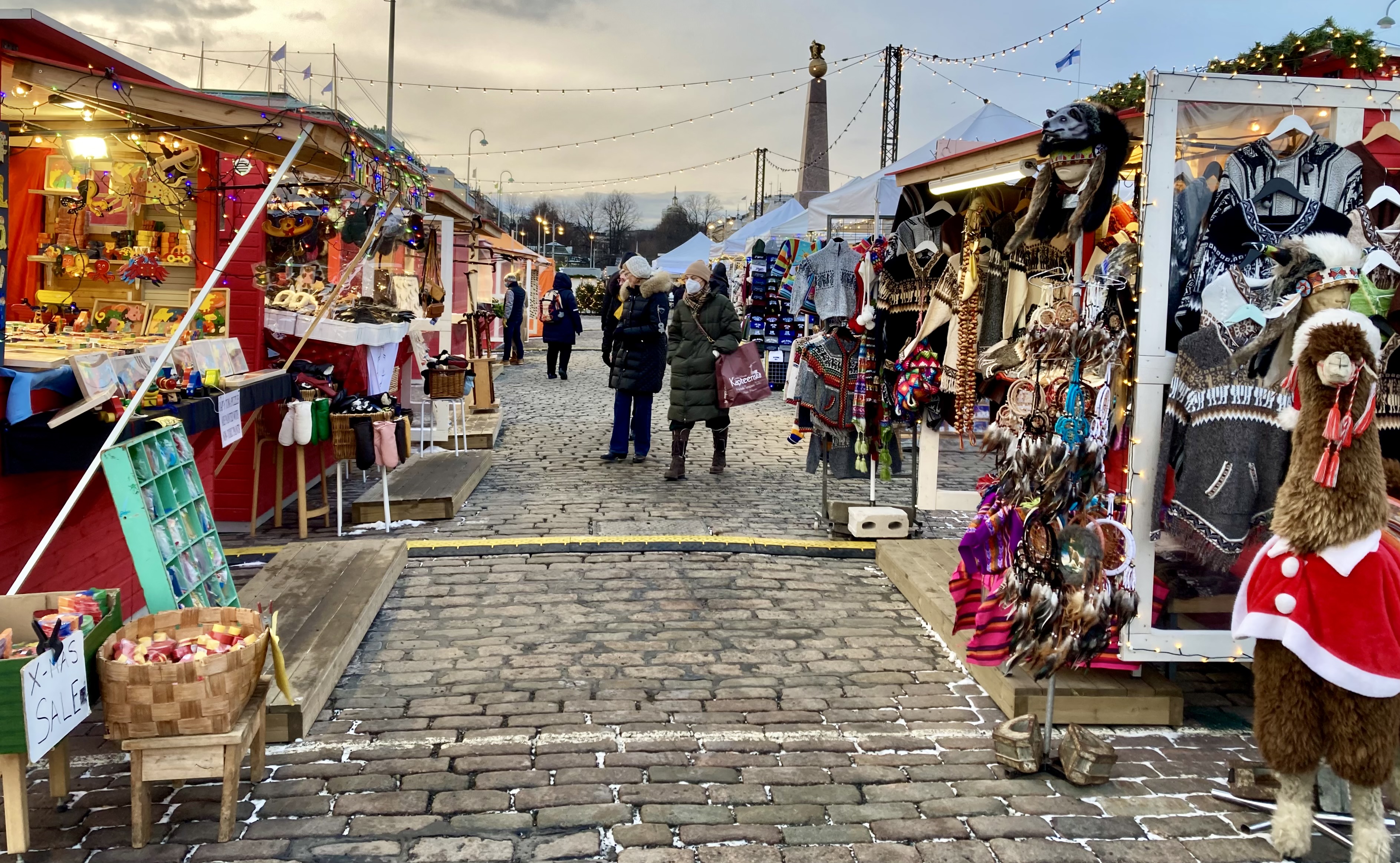
In Senate Square, in the center of Helsinki, is the Finnish Evangelical Lutheran cathedral, built in 1830. Nearby is the yearly Christmas market with lots of festive stalls containing everything from Finnish souvenirs, warm hats and gloves, hot chocolate and glogg, to tasty dishes like fish and chips and salmon soup. 😋
Sauna and exploring the city
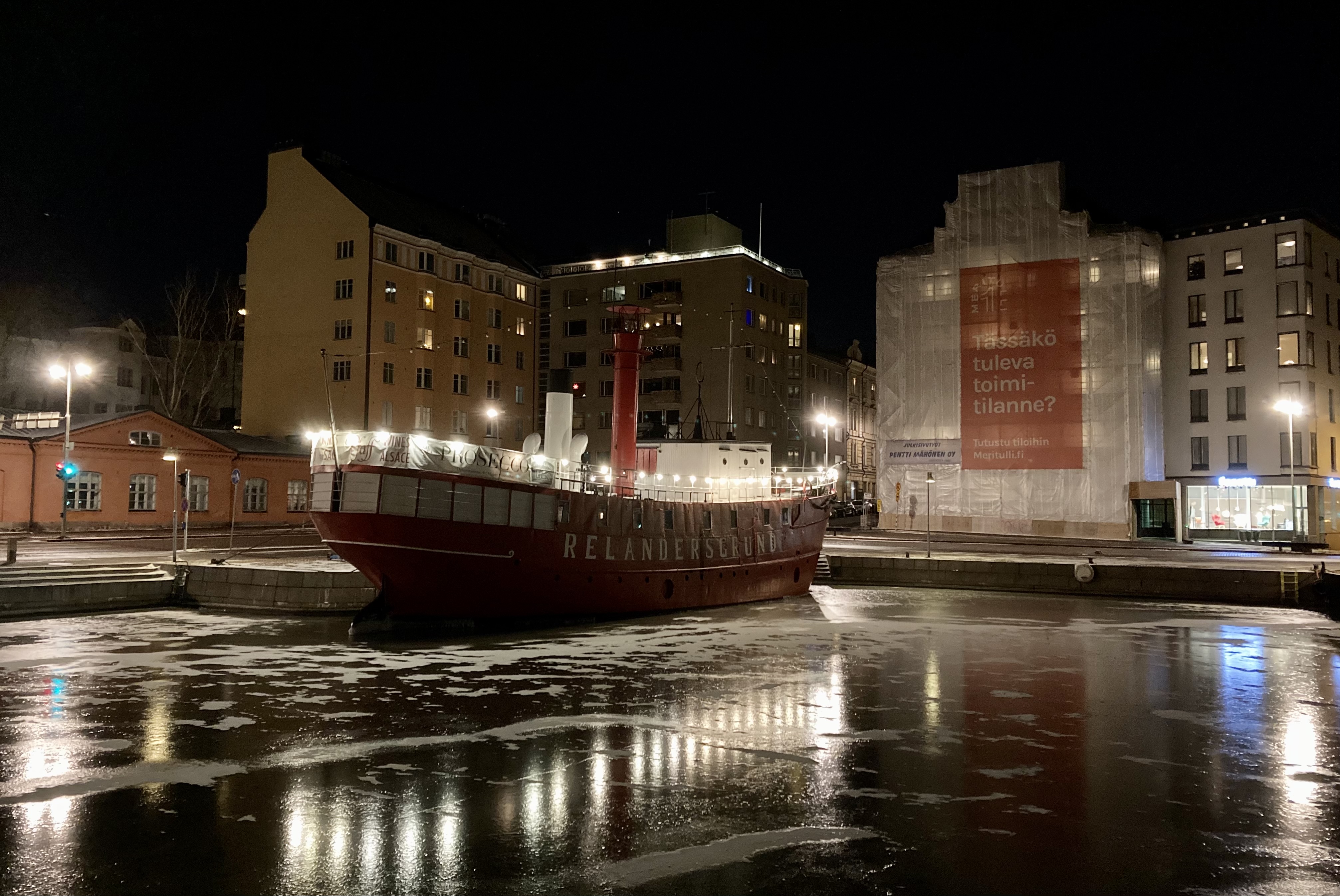
Finns have a culture of visiting saunas in the winter to warm up from the constant cold, so of course we had to try one! We visited a local sauna that sits on the Gulf of Finland and if you get too over heated, you can jump in the water to cool off! I was not brave enough to do this, but you can see that the stairway leads directly into the Gulf.
Walking around the city in the dark (the sun rises late and sets early in winter) we noticed that there were lots of families outside, playing in parks and on swings, running and skipping. Even in the cold and dark conditions, loads of people were out enjoying the day.
Tallinn, Estonia
We took a 2 hour, swanky ferry ride 😂, from Helsinki to Tallinn, Estonia, across the gulf to visit for the afternoon. There was a cute Christmas market, a nice cafe that gave us a reprieve from the snow, and a neat museum that had old bastions previously used to protect the city and as bomb shelters during conflicts of the past.
Soumenlinna
We took a smaller ferry to an inhabited sea fortress about 4km south of the city of Helsinki. Originally built by the Swedish crown in 1748 as protection against Russian expansionism, it is now a UNESCO World Heritage site and a lovely place to walk around and picnic (mainly when it’s warm). On the day we visited, I almost froze, but we did find an inviting cafe on the island that served delicious hot chocolate, and the views from here were lovely.
Pizza!
Props to Andrea for figuring out how to order pizza one night, on a Finnish website, when all of the reasonably priced restaurants near our airbnb were closed and it was super cold outside (it was a long day and the thought of a long walk in the cold was daunting)! Big win for us! 🎉🍕
One of my goals on this trip was to only visit countries that I hadn’t previously been to. I had been to Italy, once a few years ago, in Venice. But this little country has so much history and fascinating sites (not to mention the most delicious food), that I decided it was worth another visit to see more! 😉
Rome
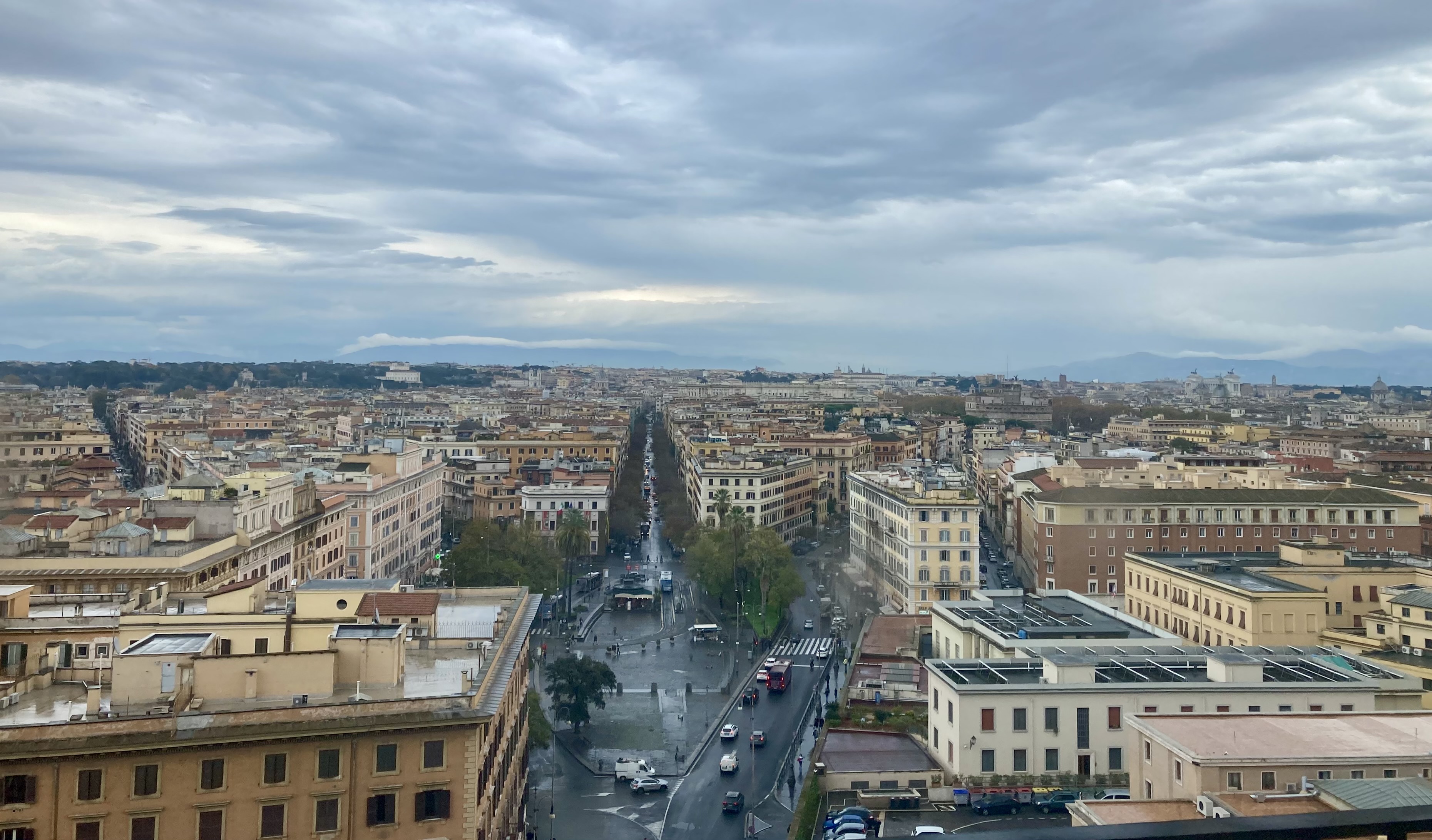
My home base was in Rome, where I found an airbnb that was really close to a subway stop. For just 1.50 euro, I was able to hop the train to almost all of the most iconic sites in the city….and could even walk to the Colosseum! The weather in November was mostly rainy, but I did luck out with some sunny-ish days.
The Colosseum
The largest amphitheater built during the Roman Empire, this famous site in Rome dates back to the year 80 A.D., and is host to 6 million visitors each year! It was home to exhibitions of exotic animals, executions, and gladiator fights until the 6th century.
Roman Forum
Next to the Colosseum, this rectangular plaza was once the center of the city of Rome. It was the location where processions and elections were held, public speeches were given, and criminal trials were conducted. It has been called the most celebrated meeting place in all the world and is a huge expanse. It was fascinating walking through the old ruins and picturing events of the past being held here.
Trevi Fountain
This beautiful fountain’s origins date back to the year 19 B.C. in which it formed the end of the Aqua Virgo aqueduct. Its name is derived from Tre Vi (three ways) since the fountain was the meeting point of three streets. Approximately 1 million euros worth of coins are taken from the fountain each year!
Spanish Steps
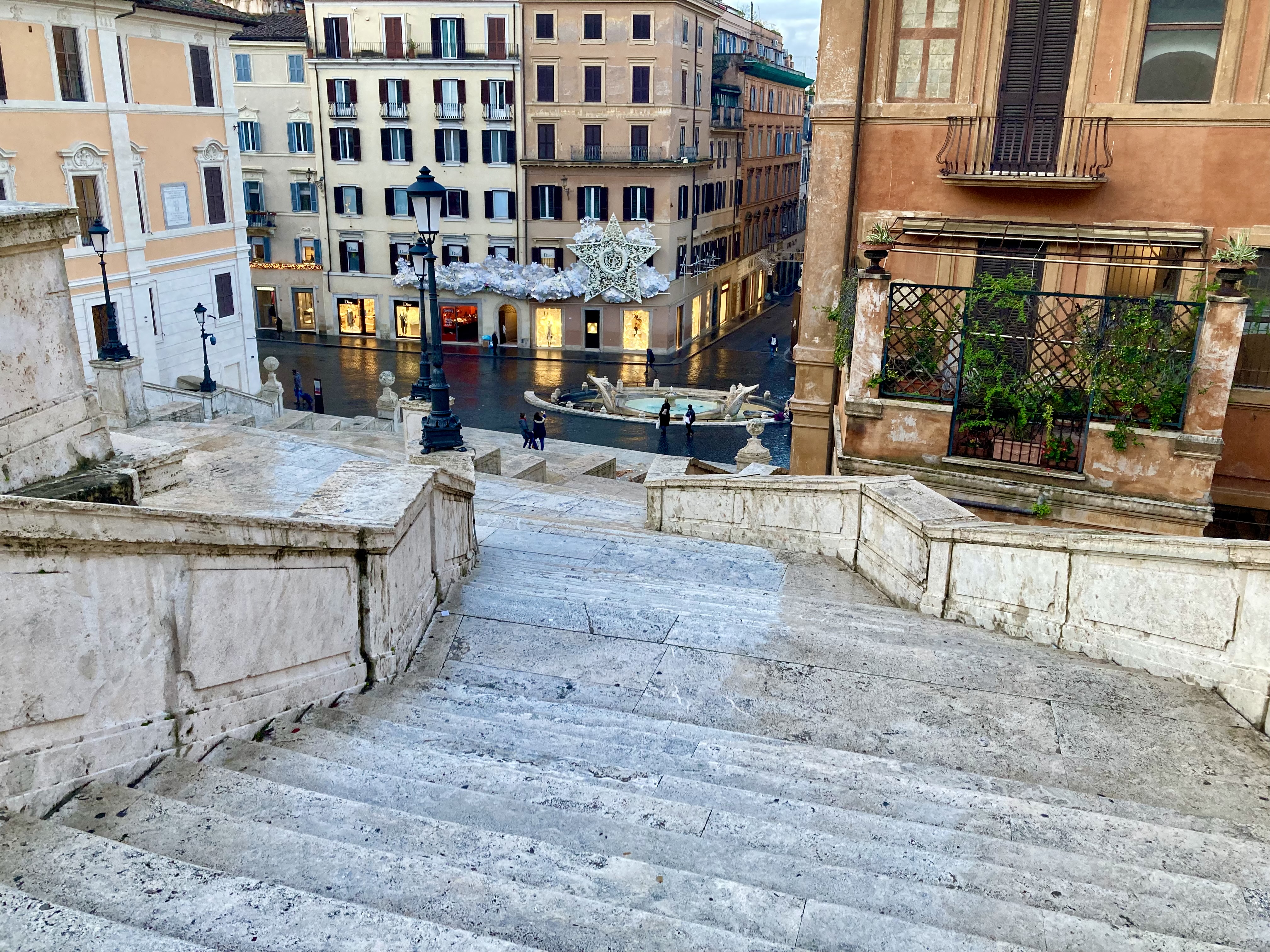
Actually commissioned by a French diplomat, these steps were initially located near the Spanish Embassy to the Holy See. Made extra popular in 1953 when they were used as the backdrop for the movie Roman Holiday, starring Audrey Hepburn and Gregory Peck, they are a great place to people watch!
St. Peter’s Basilica
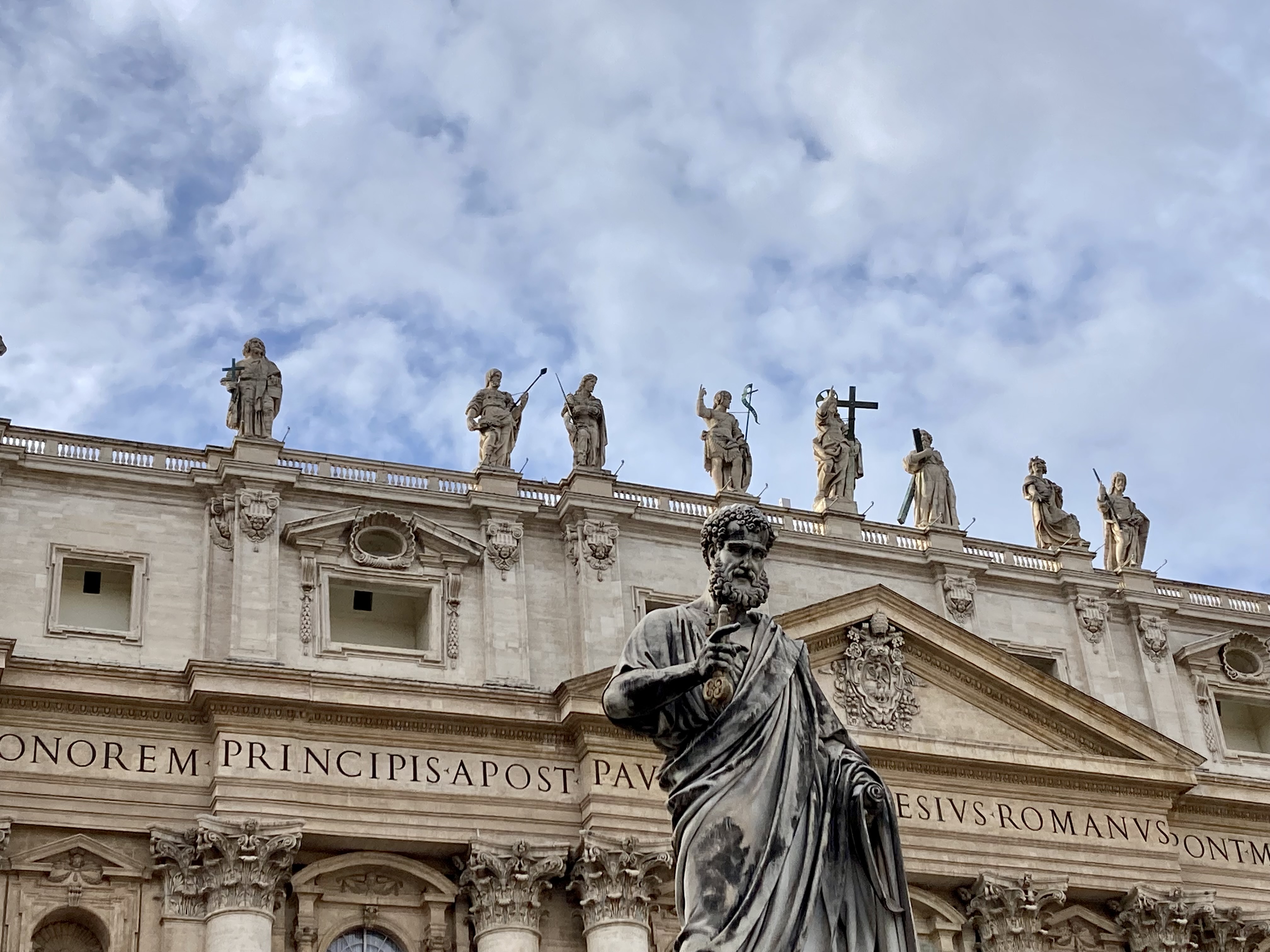
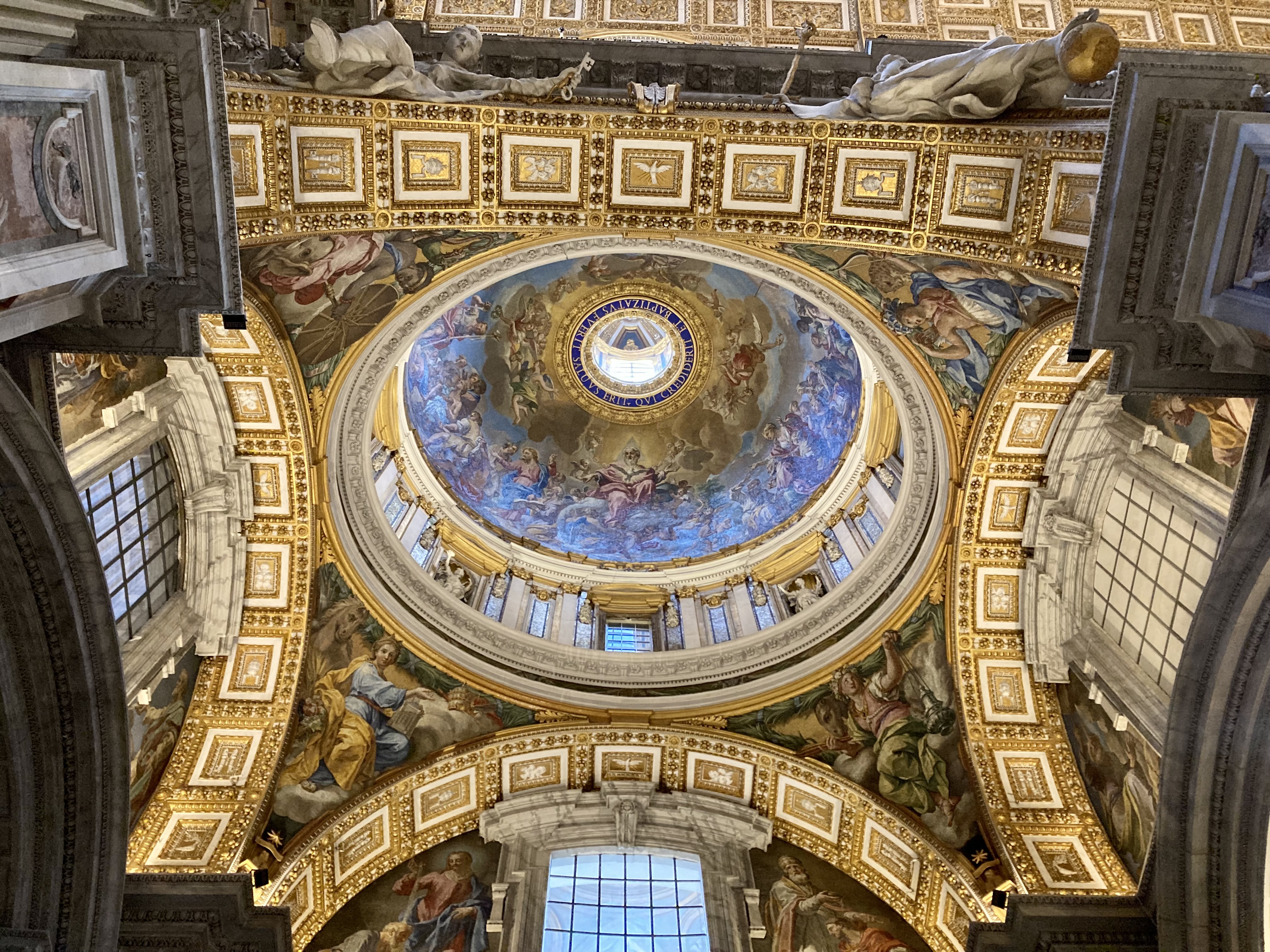
Located in Vatican City and one of the largest churches in the world, it was named after one of Jesus’s 12 disciples known as Saint Peter. It can accommodate 20,000 people and was built in 1506. They were putting up a large Christmas tree in the center of the plaza when I visited.
General Assembly with the Pope!
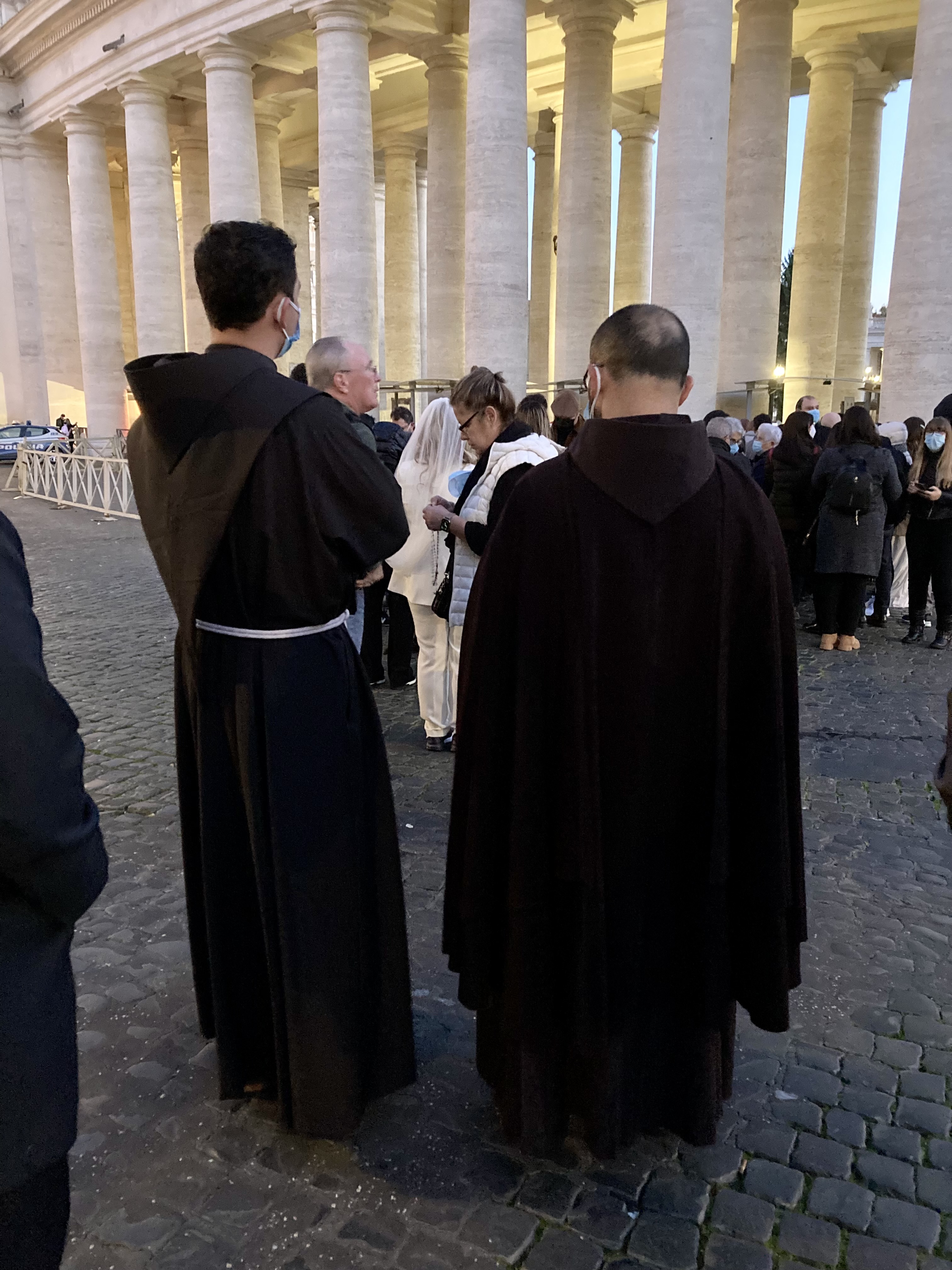
Once a week, on Wednesday mornings, if the Pope is in Rome, he will host a general assembly and tickets are free to attend. If you happen to be in Rome on the Tuesday prior to the assembly, after 3pm, you can come to St. Peter’s Basilica and request a ticket from the Swiss Guard, which is what I did.
The following morning, I woke up early and stood in line in the dark, to get a good seat. There were nuns, monks and lots of brides in the line with me (apparently the Pope will bless newlywed couples). After going through security, we were led into the Hall of Pope Paul VI and I sat with a group of Italian nuns. The assembly consisted of the Pope saying a few brief words, in Italian (I think), and then multiple priests spoke in various languages as well. Afterward, the Pope greeted and blessed those in the front rows and, about an hour later, he walked up the aisle where I stood on a chair for a photo. 😂 I then got a picture with a Swiss Guard too!
Italian Food Tour
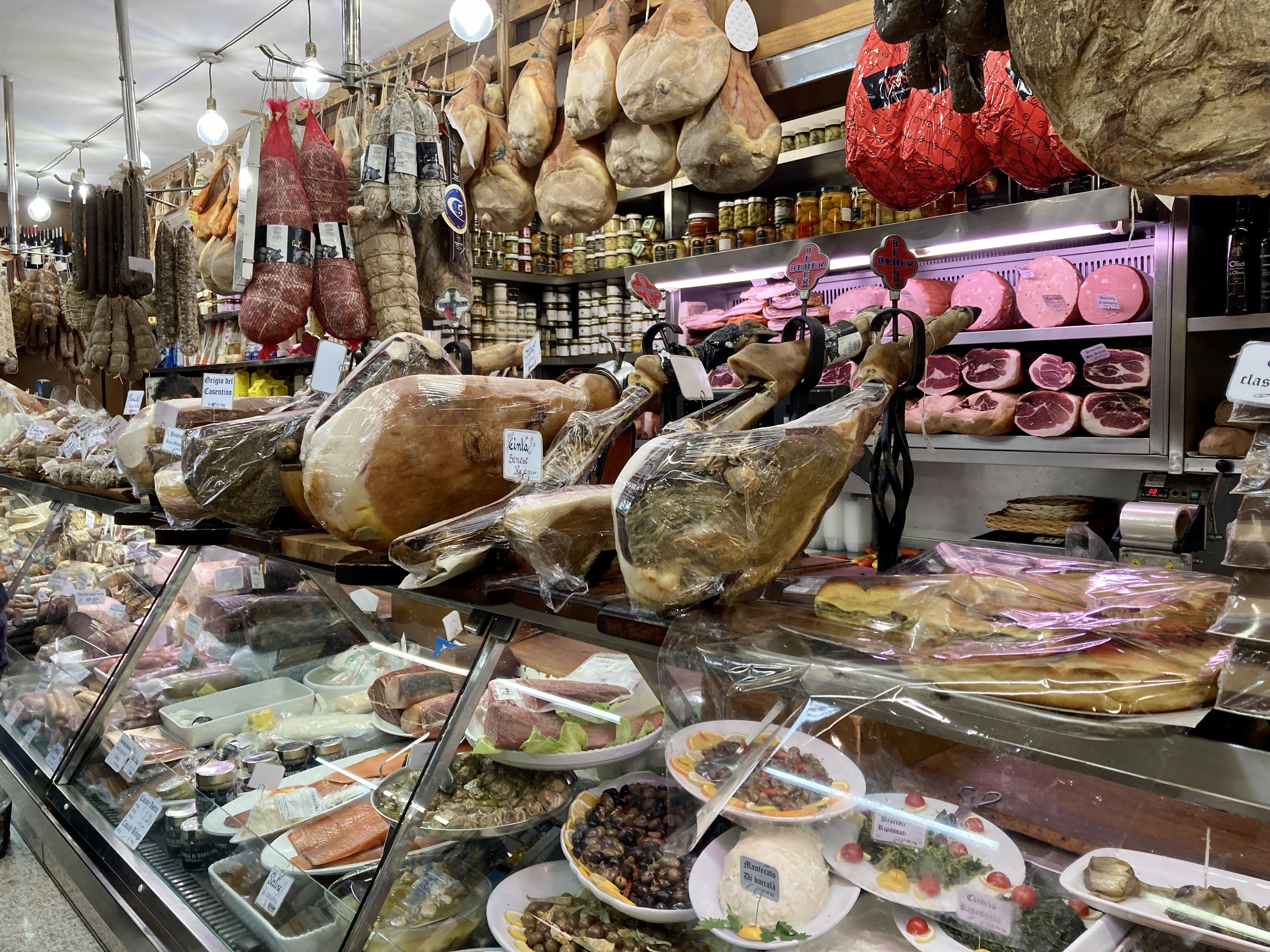
Of course I wanted to join a food tour while here, and it was excellent!! We had 4 different stops, the first in a place where we sampled several different types of pesto and cheeses, in addition to white and black truffle cream and honey, all accompanied by a delicious Prosecco. Yum! 😋
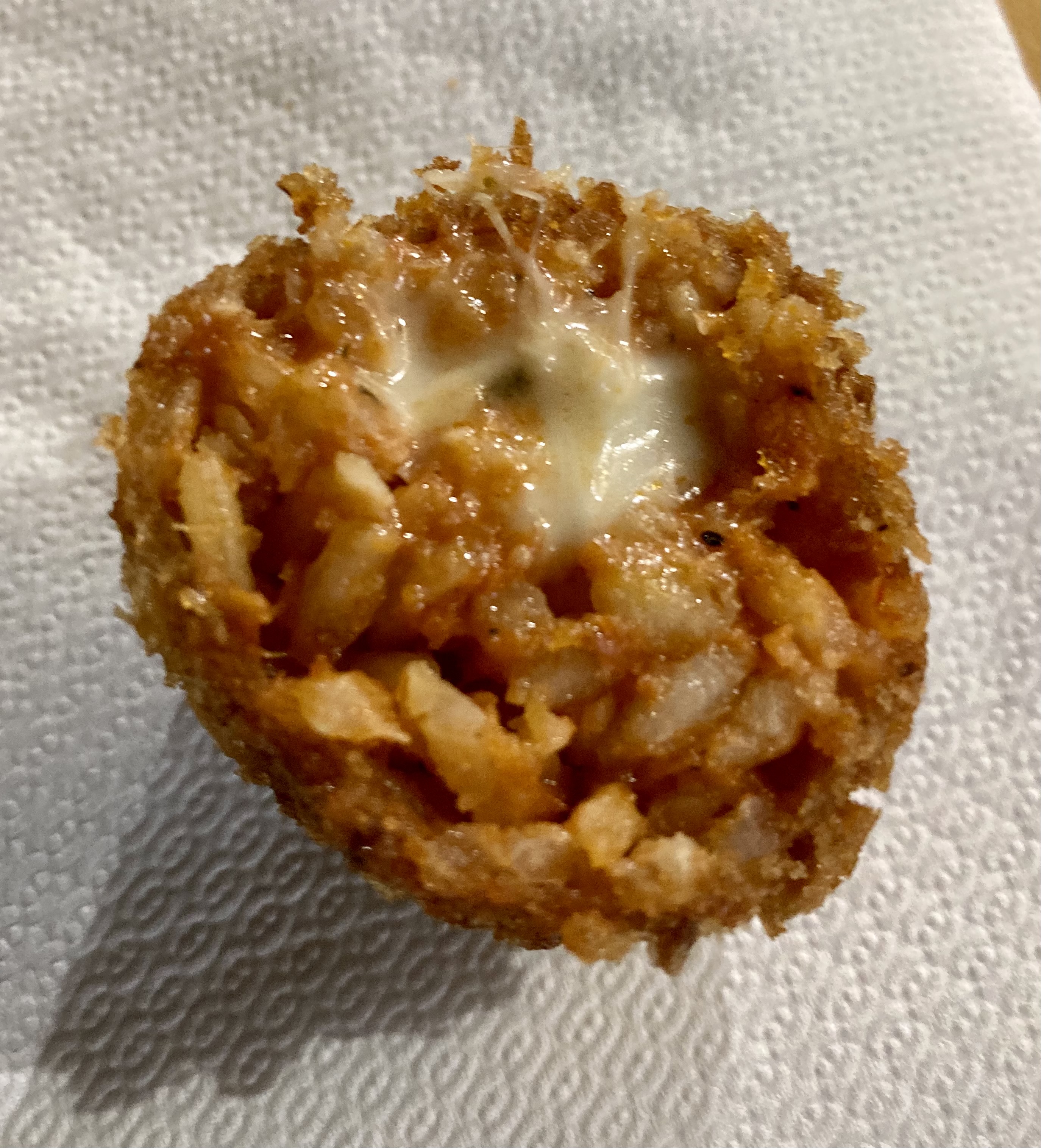
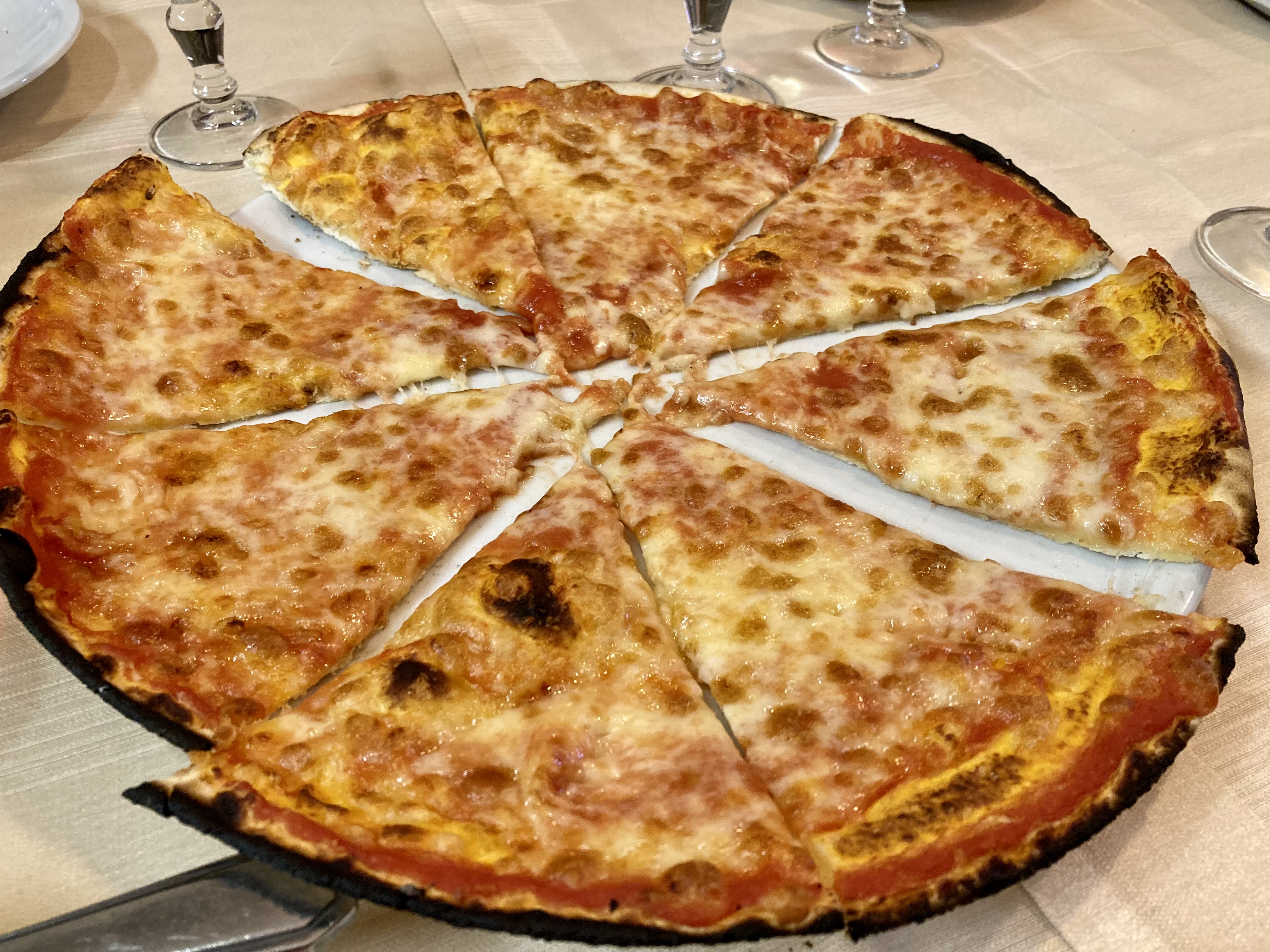
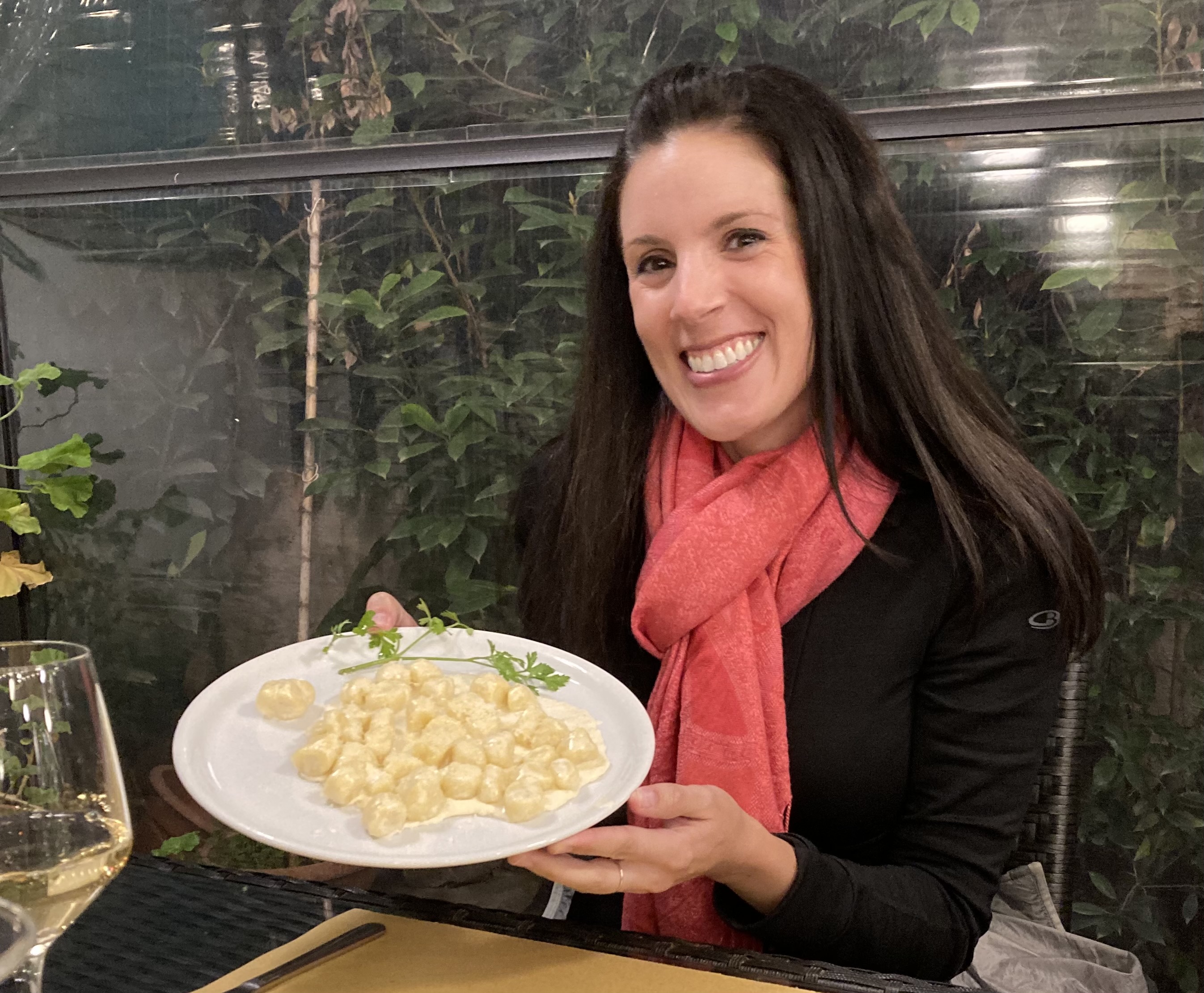
We also sampled several different types of pizza, a fried risotto ball, specialty meats, and then ended with a home made gnocchi and tiramisu! I can’t remember a time when I’ve eaten better.
The Vatican
Thanks to my friend Carol, I learned that Vatican City is it’s own country! I visited the museum on Thanksgiving and have never seen so many lovely painted ceilings!
The museum is home to the Sistine Chapel. I’ve included a stock photo of just one wall, as pictures are not allowed inside. It took Michelangelo 4 years to complete the ceiling panel frescos in the chapel when he was in his 30s. He then returned in his 60’s to paint the Last Judgement on the Western Wall (bottom right photo).
The chapel is the site of current day papal conclave, the process by which the new pope is selected.
Florence!
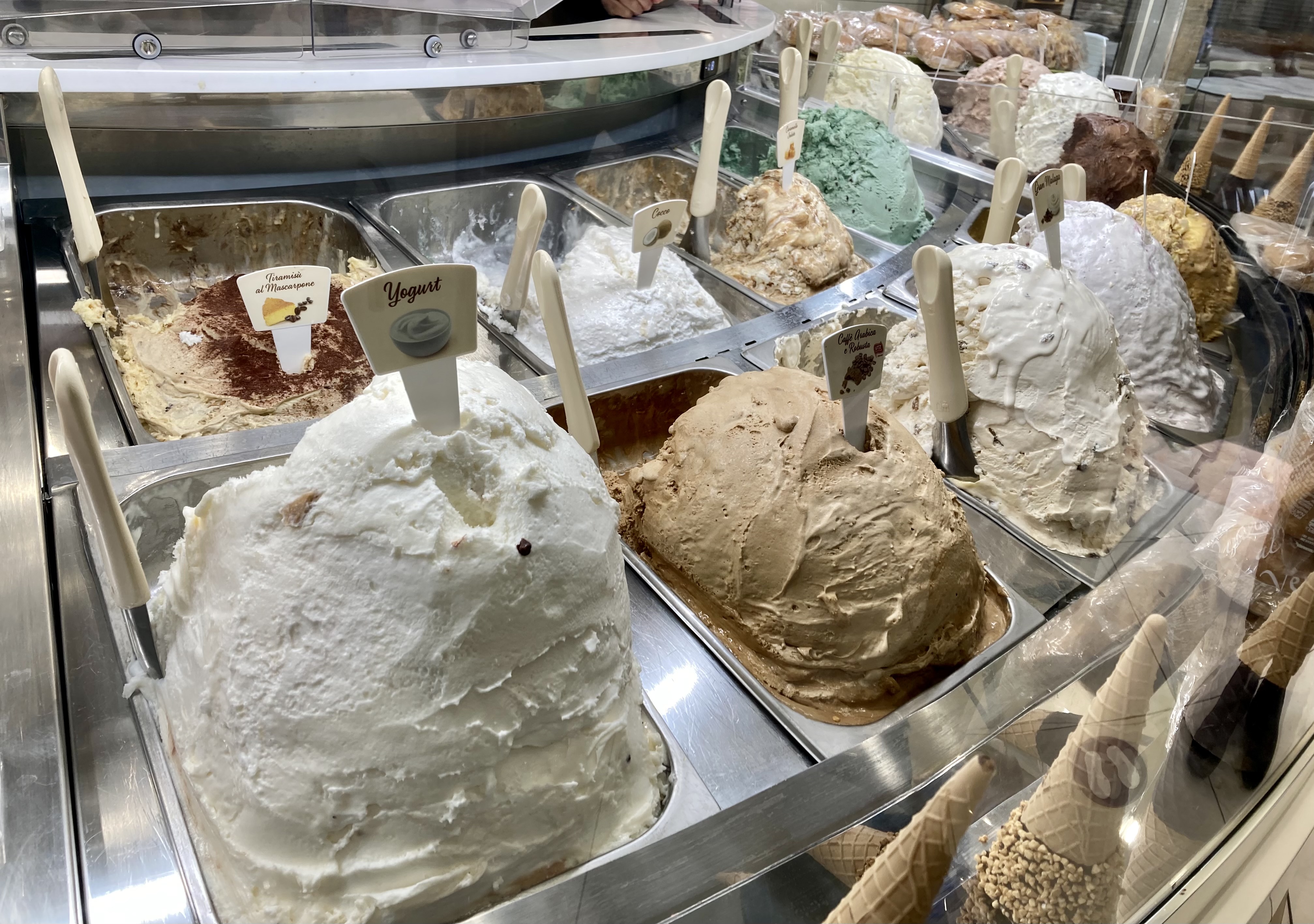
I did a day tour to the Tuscan capital of Florence, and was able to visit Michelangelo’s Statue of David, see the Duomo, the Palazzo Vecchio and walk across the Ponte Vecchio bridge….oh, and also get some gelato. 🍨
Pisa
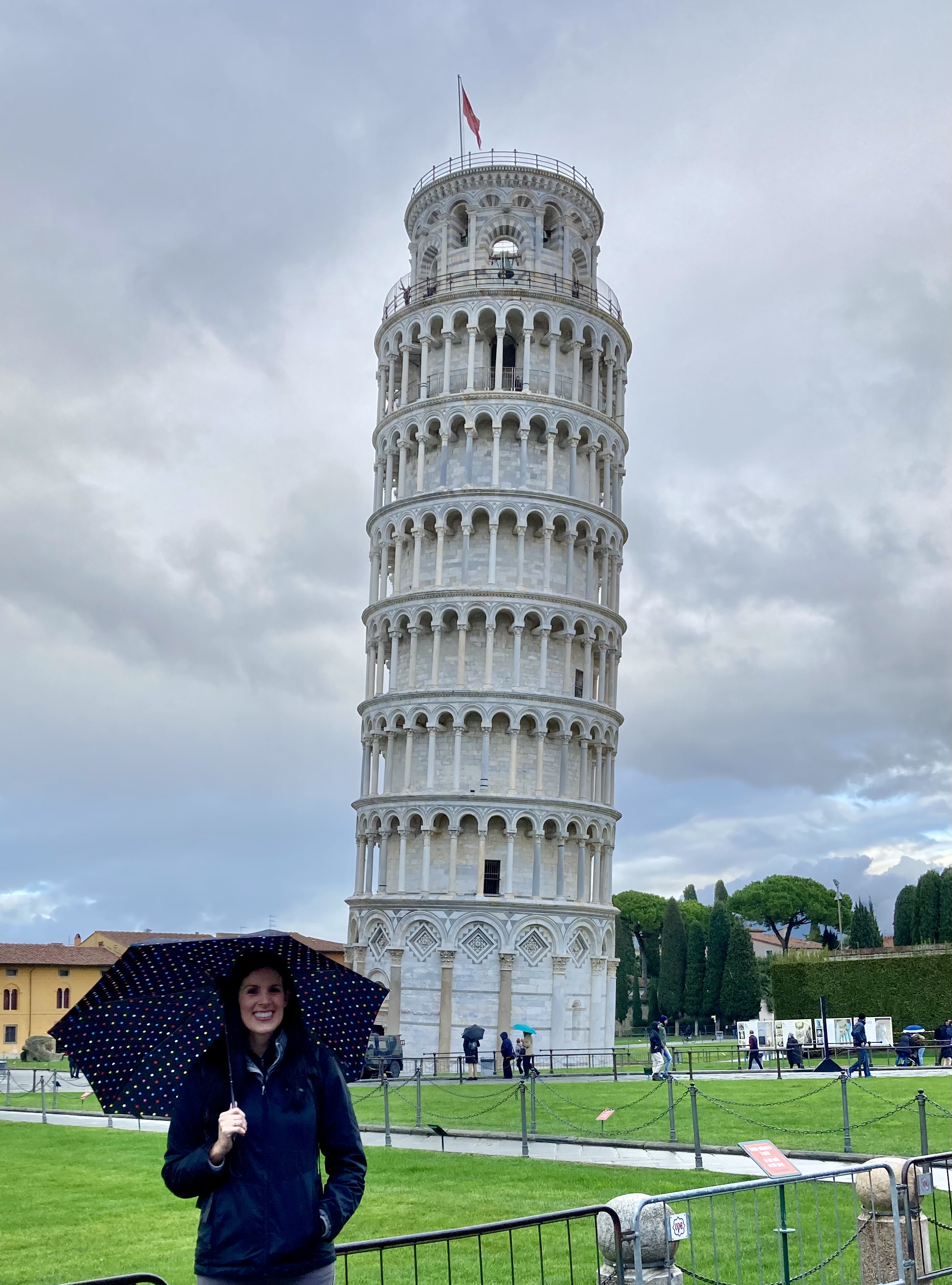
The Leaning Tower of Pisa is quite the site! The freestanding bell tower has a four-degree lean, which is the result of an unstable foundation. Located behind the Pisa Cathedral, the tower began to lean during construction in the 12th century due to the soft ground which could not properly support it.
I was feeling a bit homesick prior to coming to Rome, but this visit definitely revived my excitement for visiting new places! I really loved Italy =)
Thinking about everyone in the US as covid numbers increase. Hoping everyone is staying healthy and well!
I spent several relaxing days on this pretty island of sunshine. After the full and quick paced tour through Egypt and Jordan, this was the perfect place to catch up on rest and be mellow.
Paphos Harbor
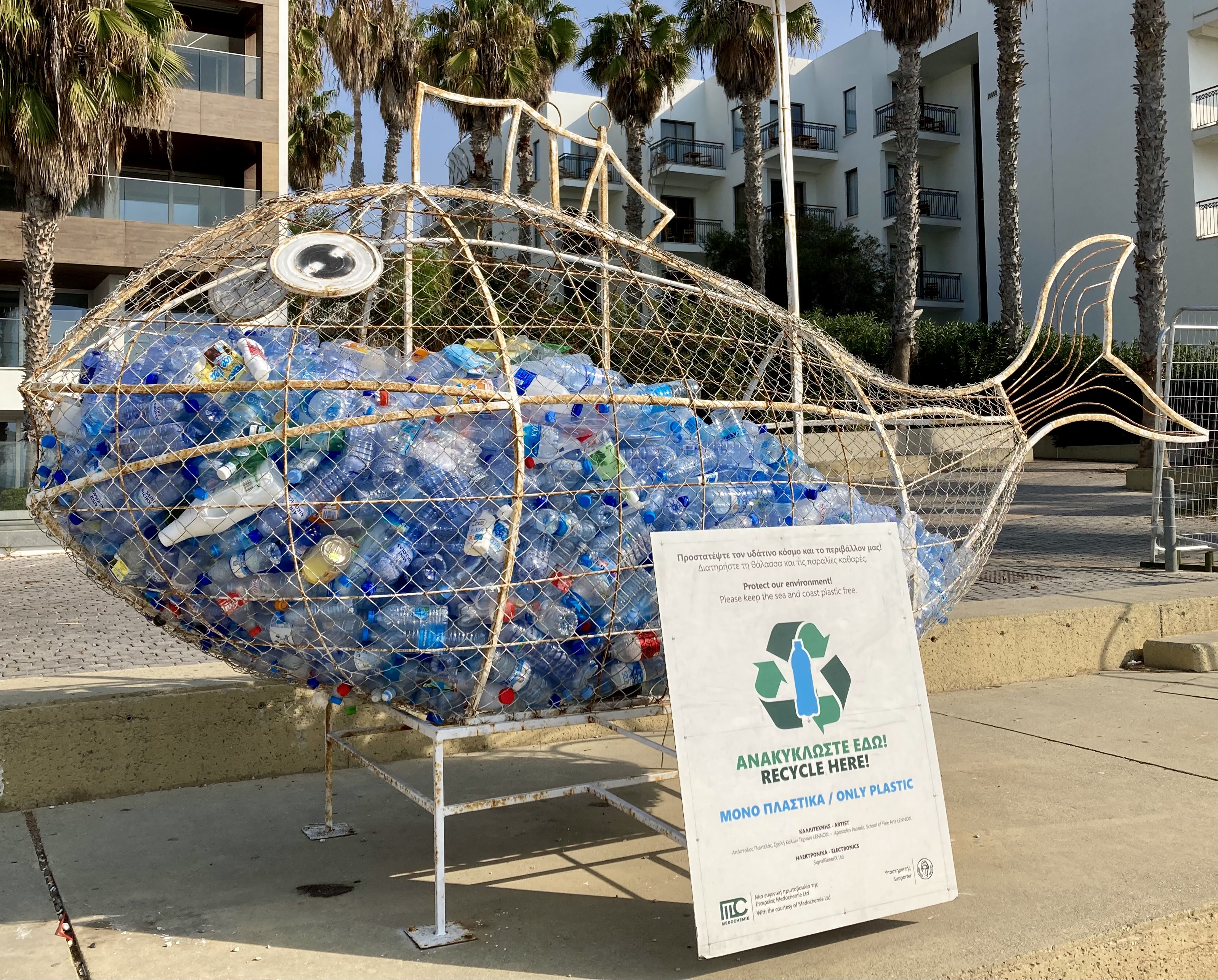
I stayed in a quiet airbnb a few blocks from the water front in Paphos. Along the rocky beaches were tons of fancy hotels and resorts with swimming pools and people laying out in the sun. There was a nicely paved walkway along the beach that led to Paphos Harbor and cute little bars, restaurants and shops.
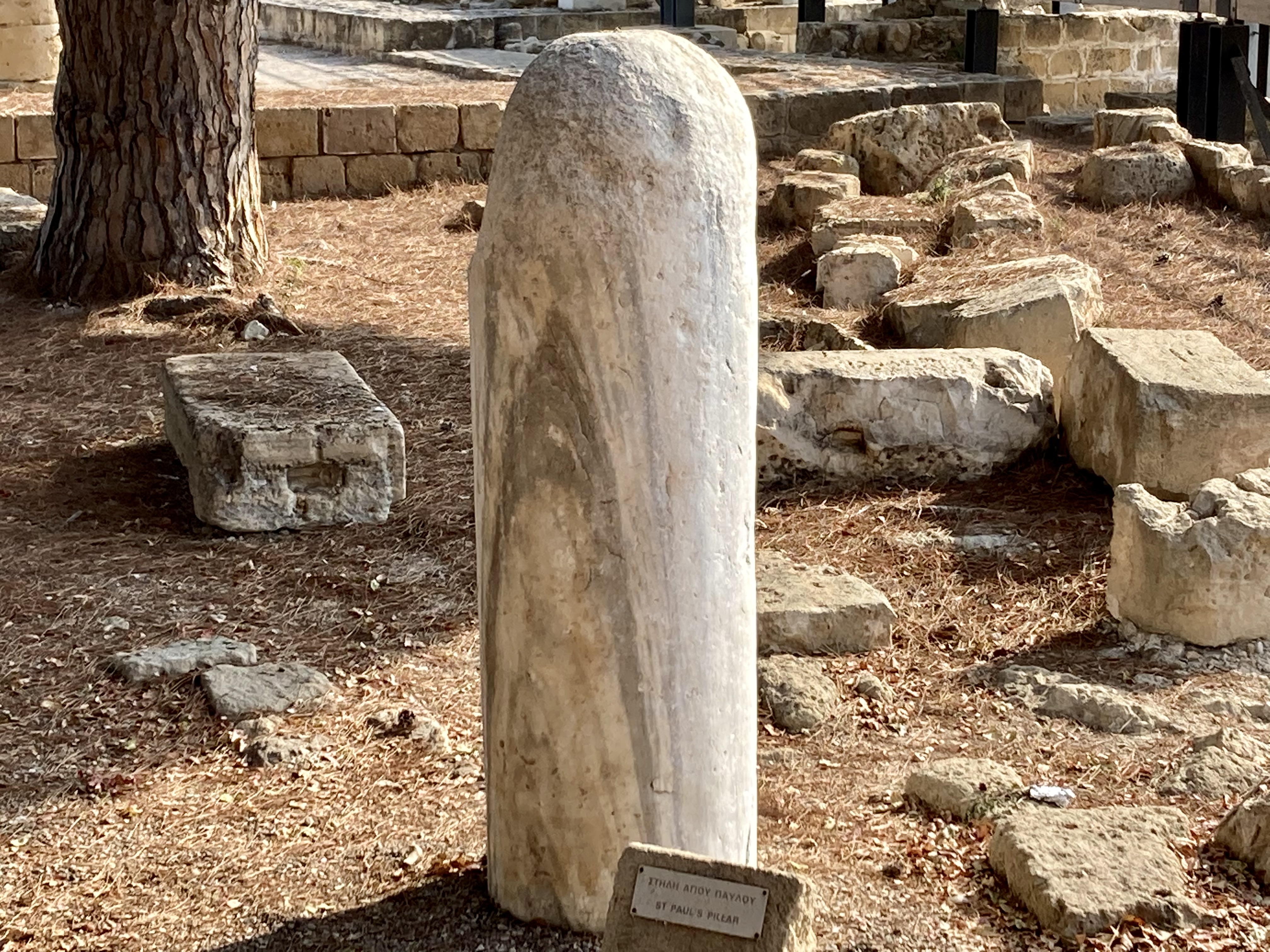
St. Paul’s Pillar
According to local accounts, this was the place where the Apostle Paul was tortured when he first arrived to preach Christianity on the island.😢 Linked to the 13th chapter of Acts in the New Testament, there are 9 verses that detail the missionary journey of Paul and Barnabas on the island of Cyprus.
Though the torture of Paul in Paphos is not specifically mentioned in the bible, local narratives have associated this area with 2nd Corinthians 11:24 where Paul mentions having received ‘forty lashes minus one’ when preaching the Gospel.
Wine Tour in the Trodos Mountains🍷
The Trodos Mountains are the highest mountain range in Cyprus and boast a number of lovely vineyards and wineries. I ended up joining a very sweet family from the UK for a full day wine and food experience.
We stopped in a little village called Omodos for lunch and got to explore the quaint narrow streets and shops. 😋
Monastery of the Holy Cross
This church in Omodos is associated with accounts that St. Helen visited in 327 A.D. with Holy Rope and Holy Rood stained with the blood of Christ. The Holy Rood, or piece of the holy cross, is on display at the front of the church.
A short post this time as this visit was quick and quite mellow. Aside from the wine tour, I mostly tried to catch up on rest after the last few weeks. ☺️ Thanks again for following along with me! It’s officially been 4 months of travel and Cyprus is new country #17 so far!
Also, apparently, Cheetos makes cereal?! And it’s available in Cyprus grocery stores 😂 Who knew!?
The guided tour in Egypt continued into Jordan with a flight into Amman from Cairo. We said goodbye to our awesome Egyptian guide and met up with a new small group of travelers and a new Jordanian guide. 😀
Wadi Rum
On day one, we drove to Wadi Rum, a beautiful rust colored expanse of desert and granite rock with sandstone mountains. This area, sometimes called Valley of the Moon, is the film location of several well known movies, including The Martian, the most recent Dune, Rogue One: A Star Wars Story, Lawrence of Arabia and Aladdin.
Bedouin Desert Camp
Archeological evidence shows that Wadi Rum has been inhabited since prehistoric times. Nearly all the people living in and around Wadi Rum today are of Bedouin origin. In recent years, Bedouin camps have developed to accommodate an interest in tourism to this pretty and unique area.
We stayed 2 nights in a camp with simple tents, bathroom facilities and a large tented room for meals. It was rustic but definitely felt like ‘glamping’, especially because the family who runs it provided us with delicious camp prepared meals while we were there.
Hike through the desert
On our first full day in the camp, we had time to explore the area with our guide. It was warm and beautiful and did feel a bit other worldly.
We were spoiled by a stop for tea and cookies, as well as a lunch stop, where the camp’s owners met us with a picnic.
Petra!
Of course, one of the most famous sites in Jordan is Petra. About 2 hours drive from Wadi Rum is the iconic site from Indiana Jones and the Last Crusade. Most people are familiar with the treasury, or Al Khazneh, but the whole area is a huge expanse!
The Treasury of Petra
Petra is located amid rugged desert canyons and mountains, not visible unless walking through the Siq. The Siq is a long corridor to the iconic treasury, which is carved into the stone. It was once a thriving trading center and city, the capital of the Nabataean empire between 400 B.C. and 106 A.D. The city is impressive for its beautiful rock-cut architecture and innovative water management system.
The city was attacked by both the Greeks and Romans due to its success and wealth as a trading center. Byzantines took control of the area at some point, but by the beginning of the 8th century, it was largely abandoned due to an earthquake having destroyed many of its buildings.
The walk from the entrance to where the treasury sits in Petra is 2km (just over a mile), and the city expands from there. There are multiple rock-carved formations visible throughout, in addition to an impressive theater said to seat up to 40,000 people! The day we explored the site, we walked over 10 miles!
Hidden by the rock, Petra is not visible until walking through the Siq to the Treasury
Petra by Night
Several nights a week, a separate ticket is offered to return to Petra and see it lit by hundreds of candles. There was a short presentation at the treasury with two locals playing native instruments, and a story telling. It was really pretty.
Photo credit goes to Steffke V., whose camera was far superior to mine in this instance. She was very gracious to share her pics with me.
The Dead Sea
This salt water lake in Jordan is known as ‘dead’ because its high salinity prevents macroscopic aquatic organisms like fish or plants from living there. It is 430.5 meters below sea level, making its shores the lowest land-based elevation on earth!
The salinity causes objects to float, so no treading water needed here! The tradition is to cover yourself with mud from the shores and then rinse off in the water for the full ‘spa’ experience.
Jerash
This city north of Amman has been inhabited since the Bronze Age. It contains the well preserved ruins of a walled Greco-Roman settlement of Gerasa, which is considered one of the largest sites of Roman architecture outside of Italy, and dates back more than 6,500 years!
Lunch in a local’s home
One of the neatest aspects of the Intrepid tour, in both Egypt and Jordan, was the opportunity to eat a home cooked meal in local resident’s homes. In this case, our guide explained that the woman cooking for us is a widow with four children. She welcomed us into her home for a delicious meal, we got to eat local dishes, and in turn, it provides income for her family. (This is our guide showing us his skills in getting the dish onto a platter).
This leg of the journey was definitely an adventure! Two weeks flew by! I am tired, but grateful for so many neat experiences. I loved the food and chaos of Egypt and the unique landscapes of Jordan. I am especially grateful to have shared this trip with my fellow travelers on both tours. ❤️ I will not miss the heavy smoking indoors or the lack of toilet paper in the bathrooms. 😂 I will miss the friendly people and my travel companions!
For this leg of the journey I joined a guided tour with Intrepid. There were 9 others on the tour with me, and the guide was a native Egyptian who was enthusiastic and excellent in his knowledge of the country’s history.
Big thanks to my brother, Tanner, for helping me obtain an unexpected QR code for my covid vaccine at the Athens airport in order to enter Egypt, crisis averted! 😉
Khan Al-Khalili Bazaar
The tour started in Cairo and the first evening, we went to this huge bazaar. It was packed on a Monday night and we got a good taste of the crazy traffic on our way there. There was lots of honking and weaving between buses, mopeds and tuk tuks, in addition to people crossing the road right in the midst of on coming traffic.
The Pyramids of Giza!
The following morning, we visited the Pyramids, the Sphinx, and had a delightful camel ride! It was a bit surreal to see them all in person!
The pyramids were built as the final resting place for kings in the 4th Dynasty, ~2613-2494 B.C. The entrances to the pyramids faced North and inside them contained chambers to store food, jewels and even chariots, all things that were believed the king could take with him into the afterlife.
There is still some mystery surrounding the building of these impressive pyramids in ancient Egypt. It is thought that the laborers might have been an organized workforce of Egyptian farmers.
Inside the pyramids
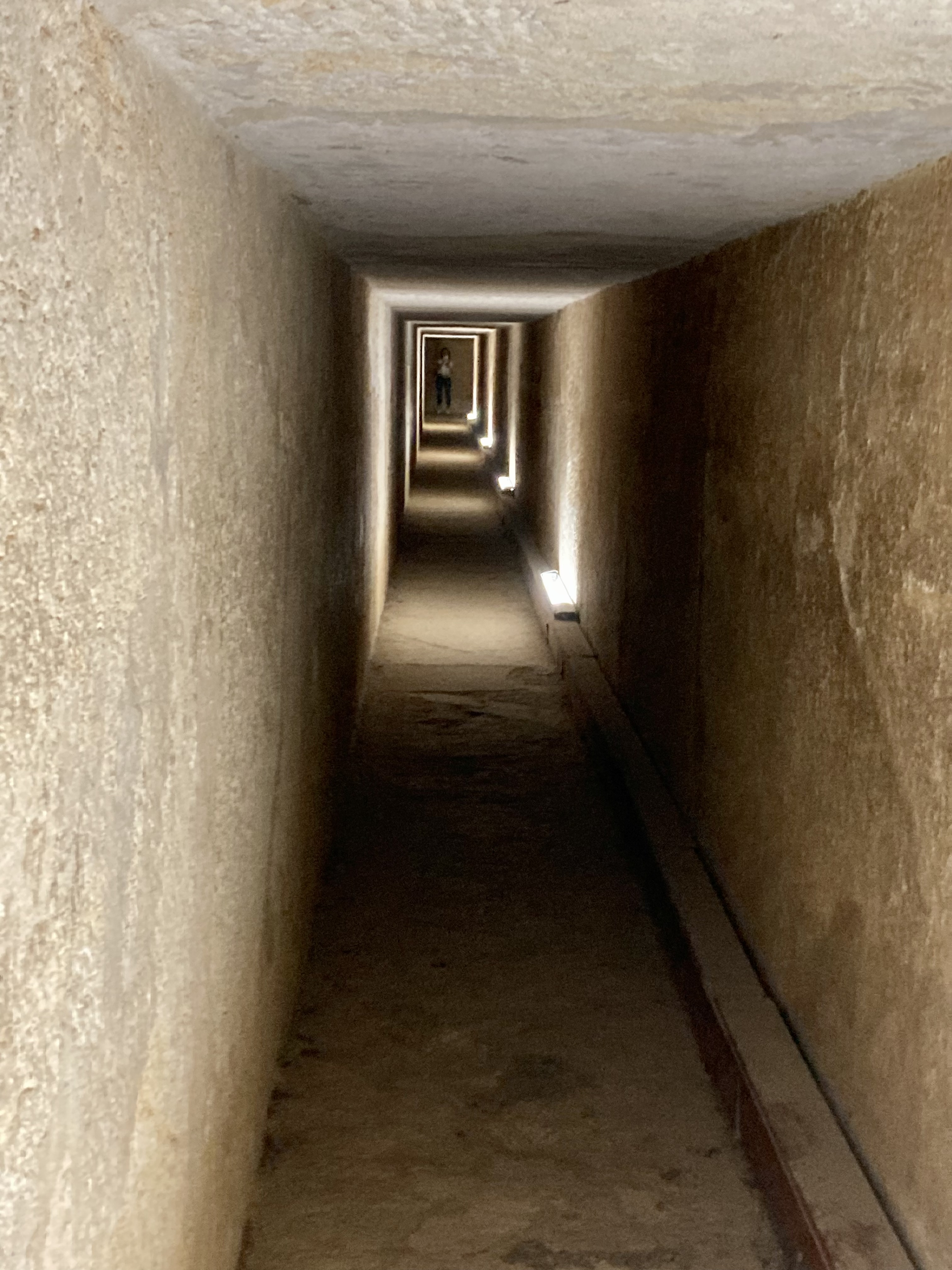
We were able to tour the inside of the Pyramid of Khafre and it was quite narrow and cramped (and hot).
Camels!
No trip to the pyramids would be complete without a camel ride around the area. Our guide assured us that they only work with groups who provide good care to these sweet animals. 😃
The Sphinx
The human-headed lion of ancient Greek mythology, this impressive statue sits adjacent to the pyramids. It is unknown when the Sphinx was constructed, but it is known that the structure was carved from a single mass of limestone.
Egyptian Museum
Ancient Egyptians went through a pretty intricate process of preparing a person’s body after death in order for it to be ready for the afterlife! We learned about the mummification process and that it took 70 days to complete.
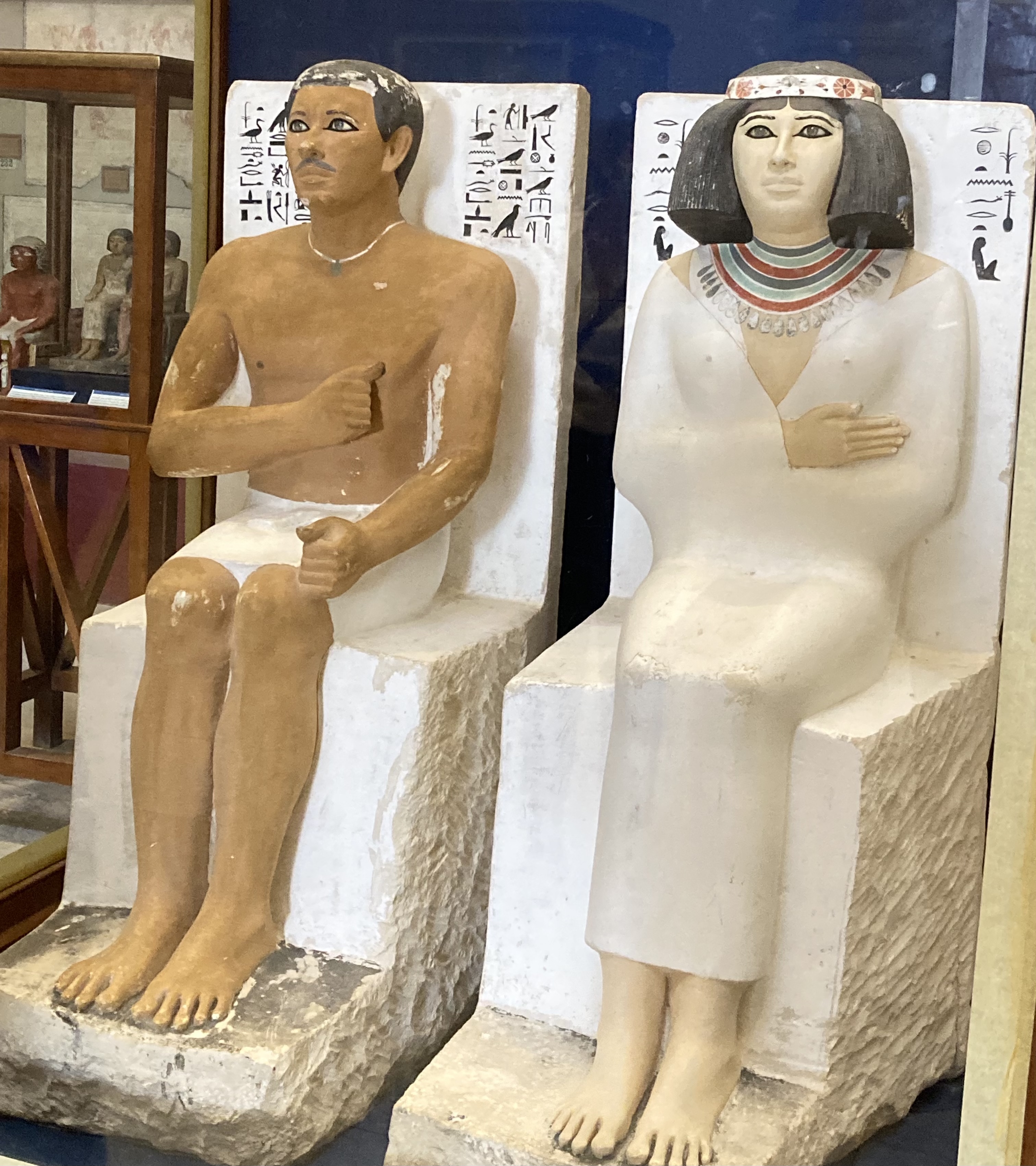
King Tut had an especially luxurious burial. In his tomb were statues (jackal statue below), food, chariots, jewels and gold. The sarcophagus built for royalty and the wealthy were ornate and beautiful!
Overnight train to Aswan
This was my first overnight train. It was an interesting night’s rest 😂 but fairly comfy, and included dinner and breakfast the following morning served in the room.
Aswan
We took a short boat ride to visit Philae Temple on our first morning in Aswan. Built to honor the goddess, Isis, this was the last temple built in the classical Egyptian style.
Nubian Home Dinner
Nubians are indigenous to the area which is present day Southern Egypt. They originate from inhabitants of the central Nile valley, believed to be one of the earliest cradles of civilization.
We learned about their history and had a delicious meal in the home of a Nubian family who live on Elaphantine Island, across the Nile from Aswan. The evening also included some songs and dancing. ☺️
Abu Simbel Temple
Three hours from Aswan is the Abu Simbel Temple, built by Pharaoh Ramses II in honor of himself! All 4 statues of this impressive temple are of Ramses. Inside, the pictures carved into the rock depict Ramses in various situations where he is awesome 😂, including stomping on spies and spearing enemies while his pet lion runs beside him.
In the 1960s, with threat of this landmark being destroyed by the river Nile, it was actually relocated away from the river bank by a team of hydrologists, engineers and archeologists!
Nearby is a smaller temple built in honor of Queen Nefertari, the first wife of Ramses The Great. There are several statues of Ramses here too 😉
Felucca trip on the Nile
A felucca is a traditional wooden sailing boat that is crewed by two or three people. There are no motors on the boat, only the sails and a method of zig-zagging back and forth across the Nile allow its forward movement.
After several very full days of travel and site seeing, a mellow day spent floating on the felucca was so relaxing. Our wonderful crew provided delicious meals for us, made from scratch on the boat!
As the sun went down, we settled into the river’s edge, ate dinner together and then went to sleep. Mosquito netting was pulled over the open air areas where we slept and we were all given matching blankets.
Unfortunately, I think we ended up trapping some hungry mosquitos inside the netting with us. I had to use my sleep sack as a shield…which our tour guide found hilarious the next morning 😂
Karnak Temple
This city of temples, spanning over 200 acres, is the largest religious building ever made! It was built over a span of 2000 years and was the location of a yearly festival. The festival promoted the renewal of energy to both the land and gods after the agricultural season. Multiple dynasties contributed to this area with sculptures, obelisks, pylons and chapels.
According to our guide, walking 5x, counter clockwise, around one of the sculptures will grant wishes, so we all made trek around. 😂
Valley of the Kings
On our last day in Luxor, we visited The Valley of the Kings. This isolated valley nestled between dry, rocky hills is the resting place of the kings of the 18th, 19th and 20th dynasties. Dug into the mountains, 62 individual tombs exist in various stages of completion. This location was sought after grave robbers plundered the pyramids. It was thought that secret cave tombs would be a more secure resting place for the pharaohs of the time. King Tut’s tomb was found in the 1920s and the whole area has since become a UNESCO world heritage site. The hieroglyphics at the entrance and along the caves still show their original coloring and were so detailed.
The food!
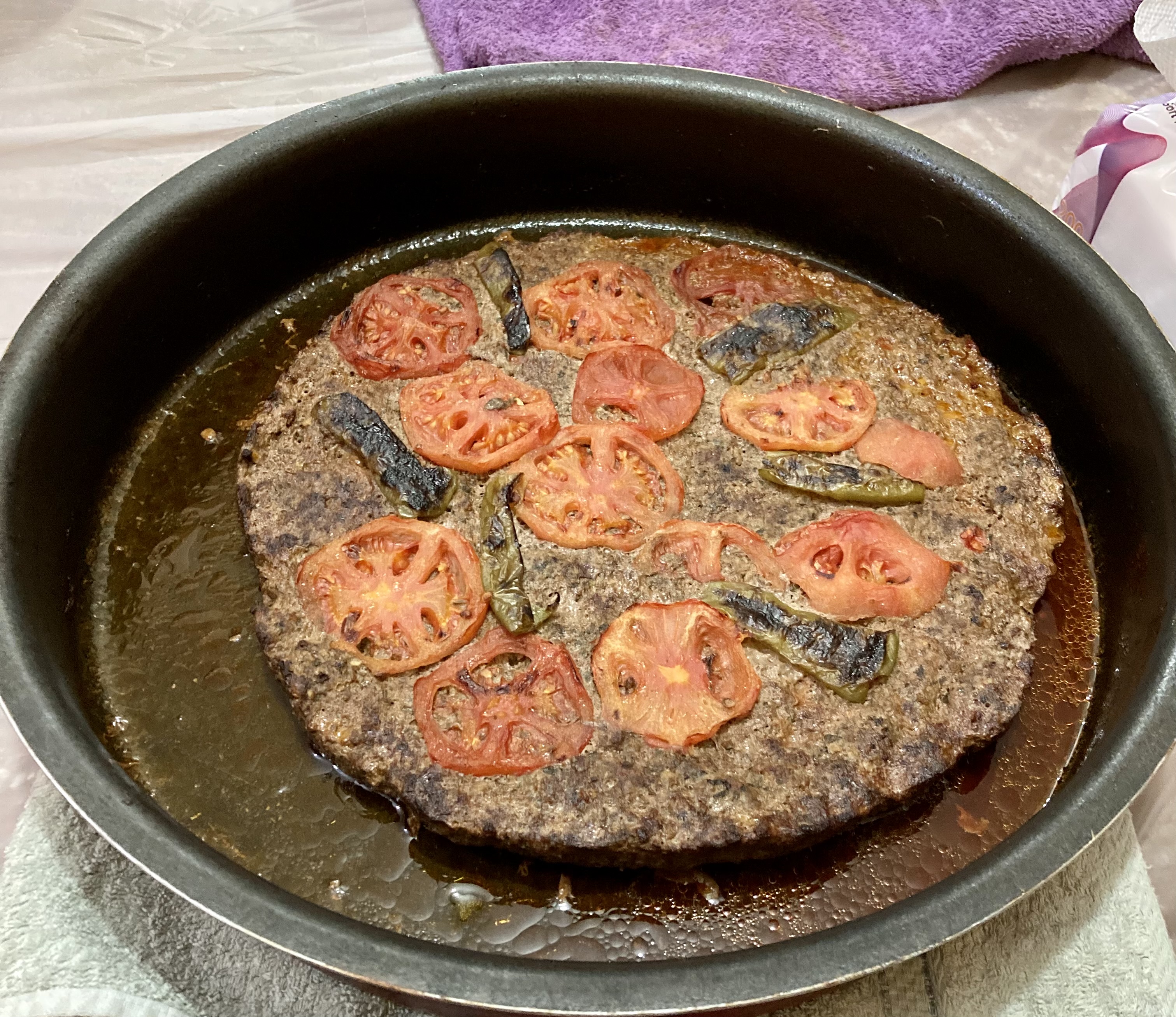
The food here was SO good! I loved the vegetable tagine (top left). We also tried a dish called koshary which is a mix of pasta, chick peas and lentils that you coat with a tomato sauce and garlic dressing. The picture doesn’t really show it, but one of my favorites was falafel sandwiches, which are 5 Egyptian pounds, or $0.32, and consist of fried falafel with tahini dressing and fries! Delicious!! The meals we had in local’s home were, of course, the best. From soups to salads to veggie tagines, bread and baba ghanoush, they were all so flavorful and filling. We were all very big fans of the hibiscus tea as well.
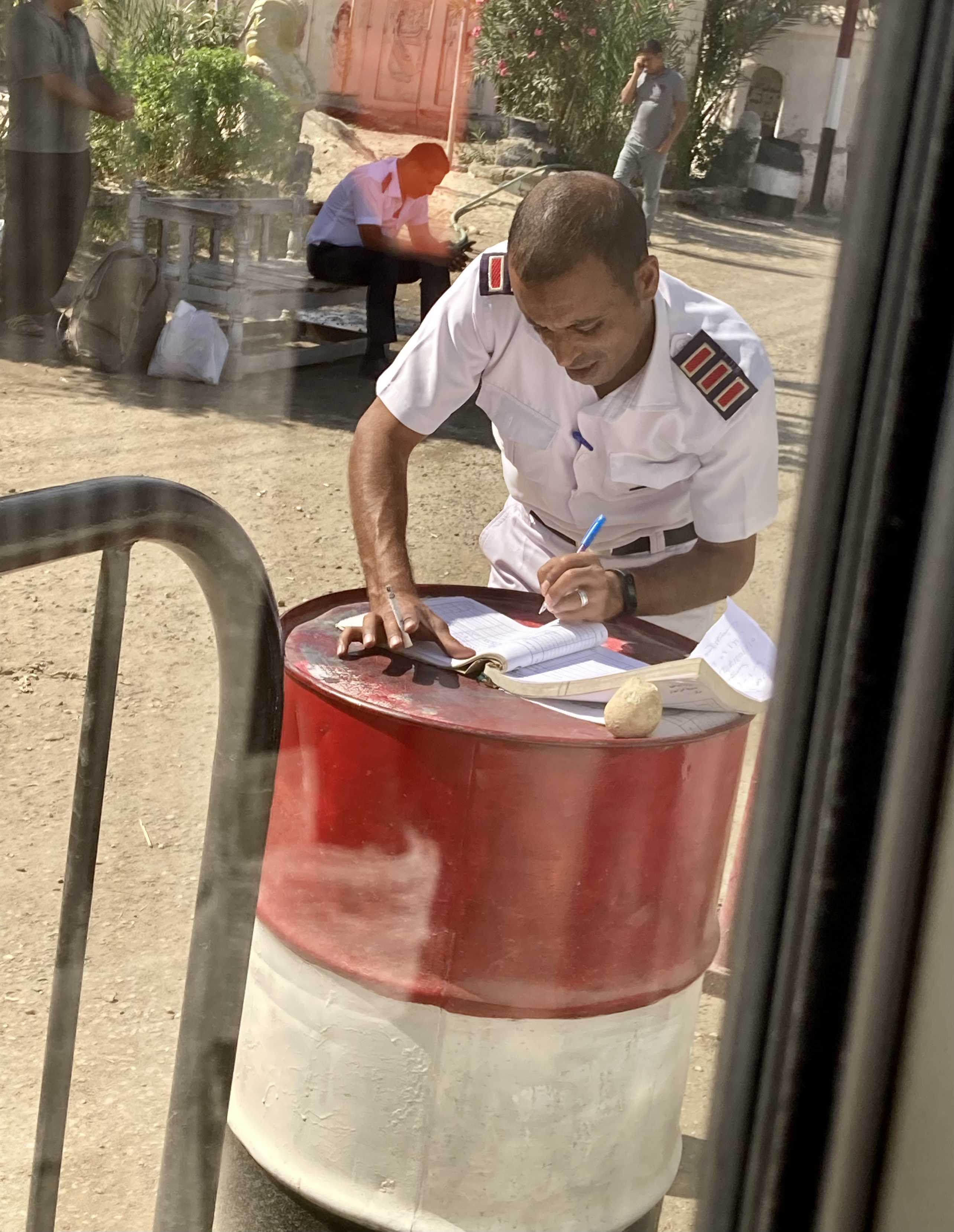
Various pictures from my week in Egypt. The beautiful and sometimes not so beautiful. It definitely felt like an adventure! ☺️
Next stop, Jordan 😀 Thanks for following along with me!
I was lucky enough to spend a few days in Athens before starting a tour in Egypt and it was lovely! I didn’t realized it, but October 28th is a holiday here, Ochi Day, and Greek museums and ancient sites are free to the public.
Ochi Day
This is the day of the National Anniversary of Greek Independence, sometimes called World War II National Holiday. On October 28, 1940, Mussolini presented an ultimatum to the Prime Minister of Greece, Ioannis Metaxas, to allow free passage of the Italian army through the Greek-Albanian border. This would allow Italian occupation of strategic areas in Greece.
Metaxas is said to have responded to the ultimatum with “Ochi!” or ‘No’ in Greek. This brought Greece into WWII on the side of the Allies, making it, for a time, Britain’s only ally against Hitler. It is speculated that had the Prime Minister not responded with ‘No!’ to Mussolini, WWII may have lasted much longer and Hitler might have had the opportunity to invade Russia in spring, rather than his disastrous attempt in winter.
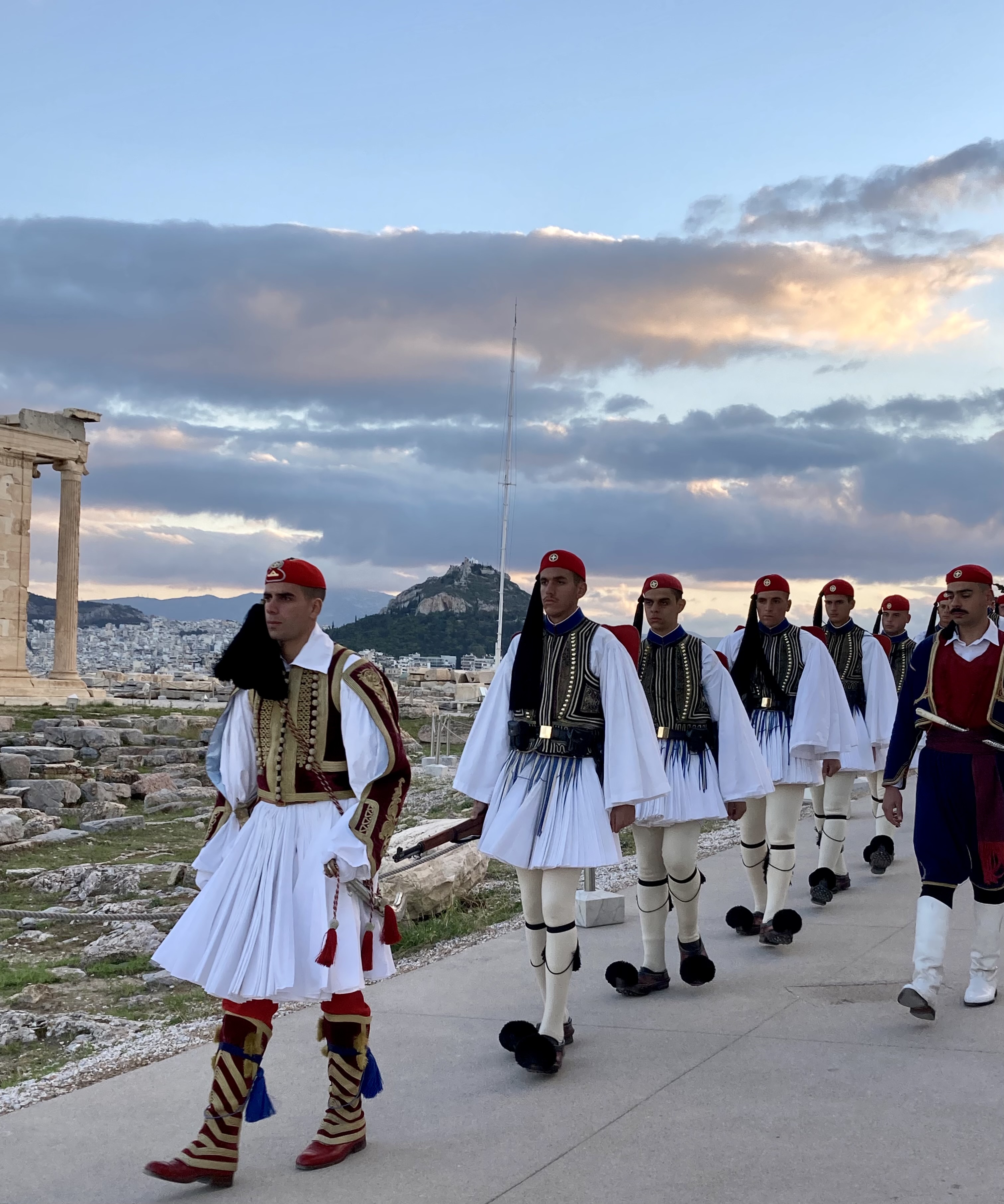
At the Acropolis, there was a ceremony marking the holiday prior to being open to the public and I saw the procession on my way in!
Acropolis
The Acropolis of Athens is an ancient citadel located on a rocky outcrop above the city. It is home to several ancient buildings of historical significance, including the Parthenon.
Athenian statesmen Pericles is credited for developing the idea of creating a monument to thought and the arts in the 5th century B.C. which ultimately became the Acropolis.
Parthenon
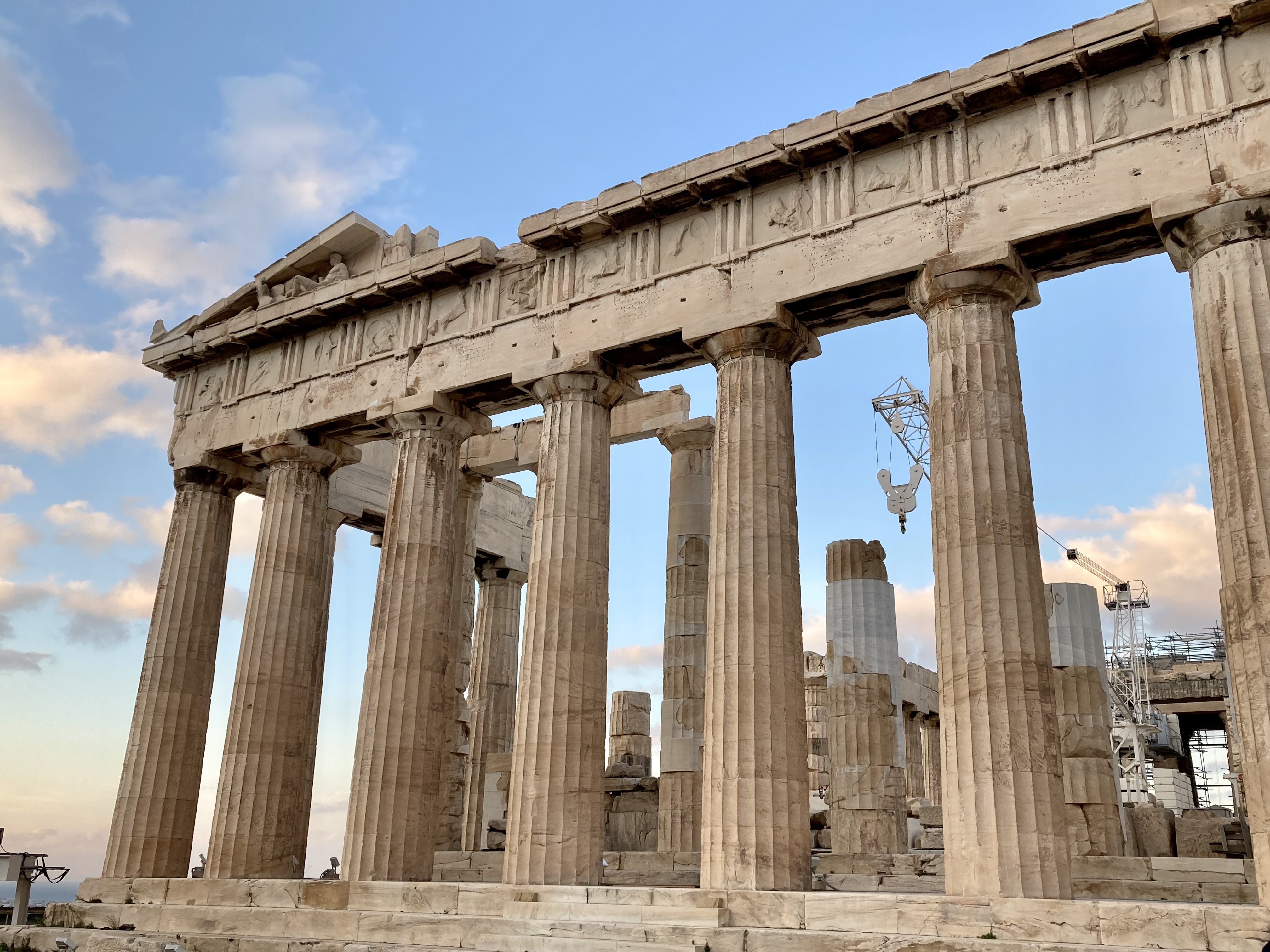
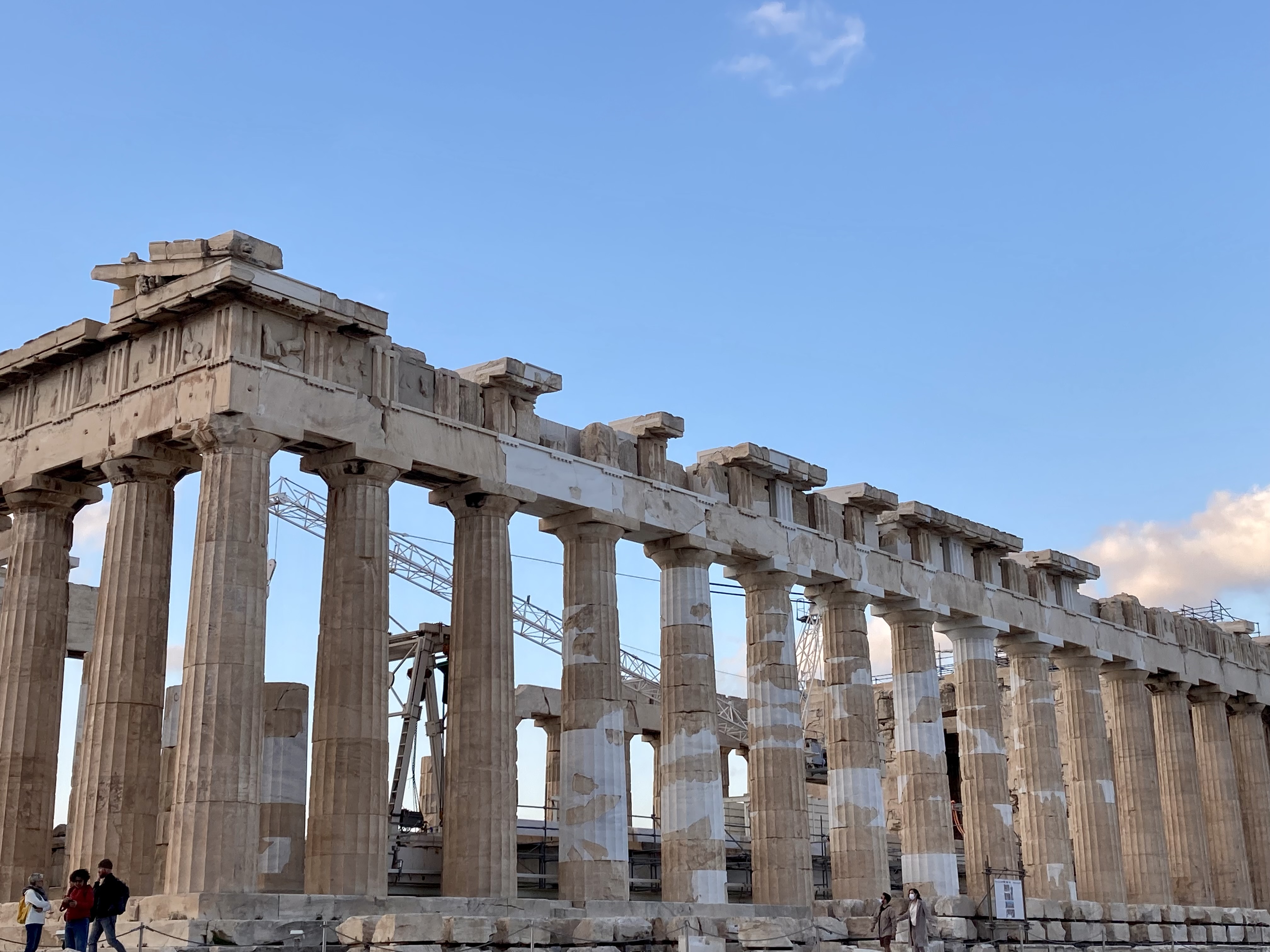
The most iconic structure of the Acropolis was dedicated to the goddess Athena Parthenos “Athena the Virgin”, whom the people of Athens considered their patroness. It began construction in 447 BC and it is considered one of the most important surviving buildings of Classical Greece.
It is in a constant state of preservation and reconstruction, so scaffolding and cranes were on several sides of the structure when visiting.
Erechtheion
This structure on the North side of the Acropolis was dedicated to both Athena and Poseidon and was a built in the last 20 years of the 5th century B.C.
Odeon of Herodes Atticus
This Roman theater structure on the southwest side of the Acropolis was built by the wealthy public benefactor, Herodes Atticus, in 161 A.D. as a memorial to his late wife, Rigilla.
Temple of Athena Nike
The smallest temple of the Acropolis, this temple was dedicated to the goddesses Athena and Nike in 420 B.C.
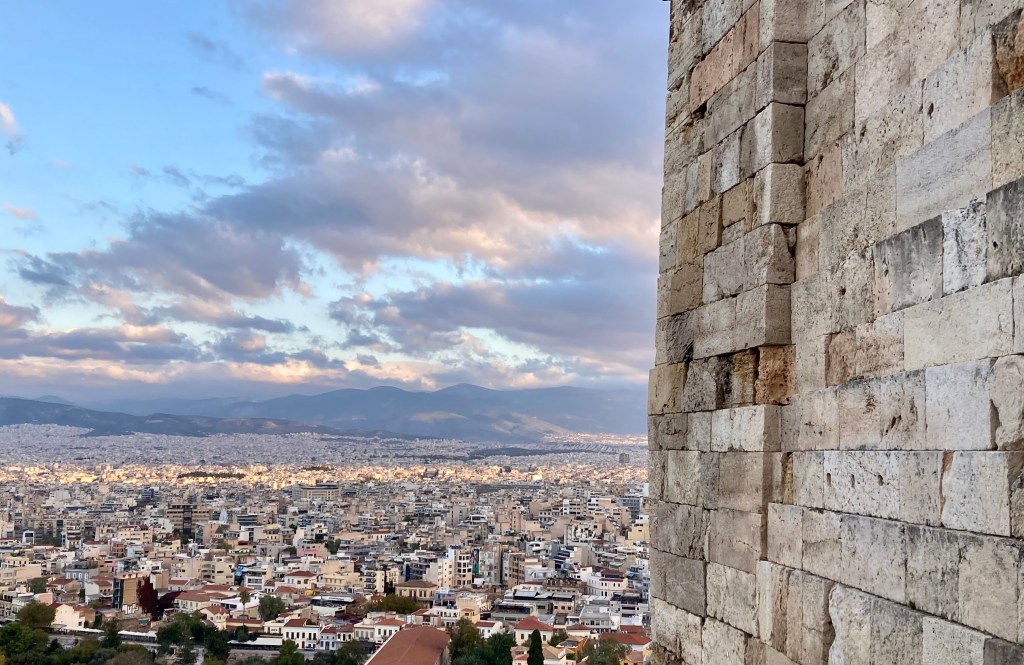
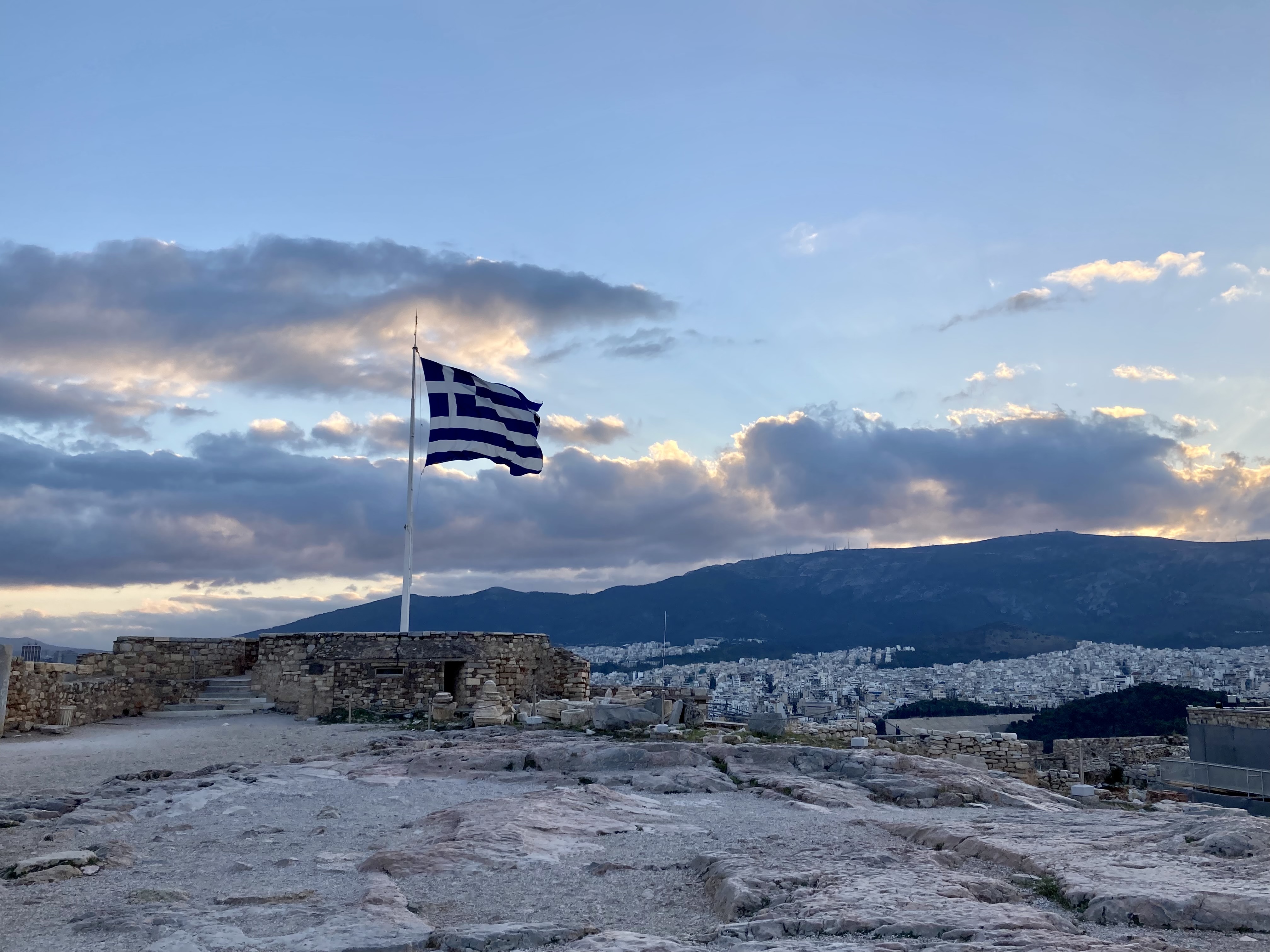
Views at the Top
Greek Cooking Class
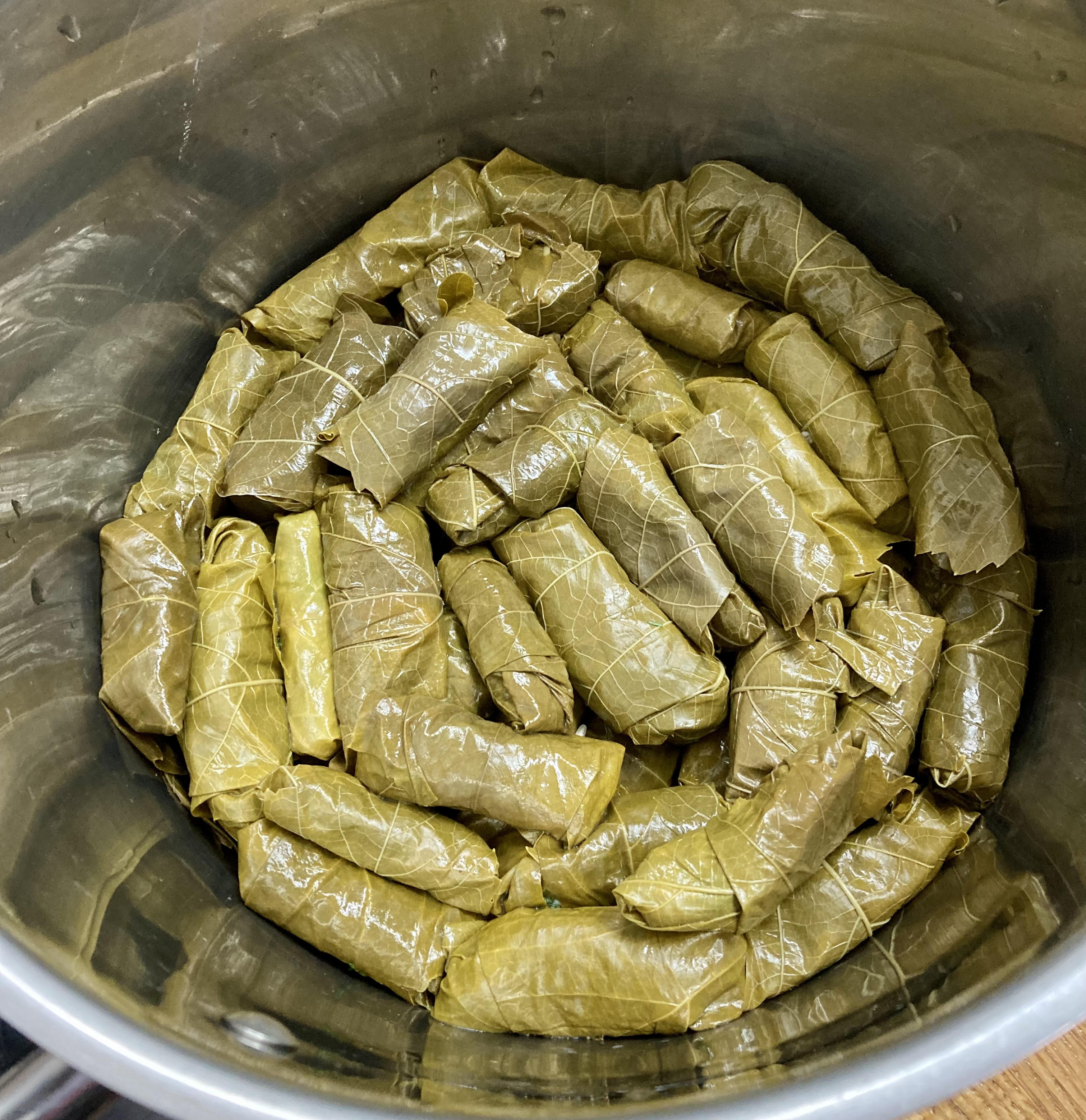
I decided to do an evening cooking class that started in the local markets to collect what we would be making for dinner. The meat market was a touch unnerving, 😂 but thankfully, the meal was heavy on veggies. 😉
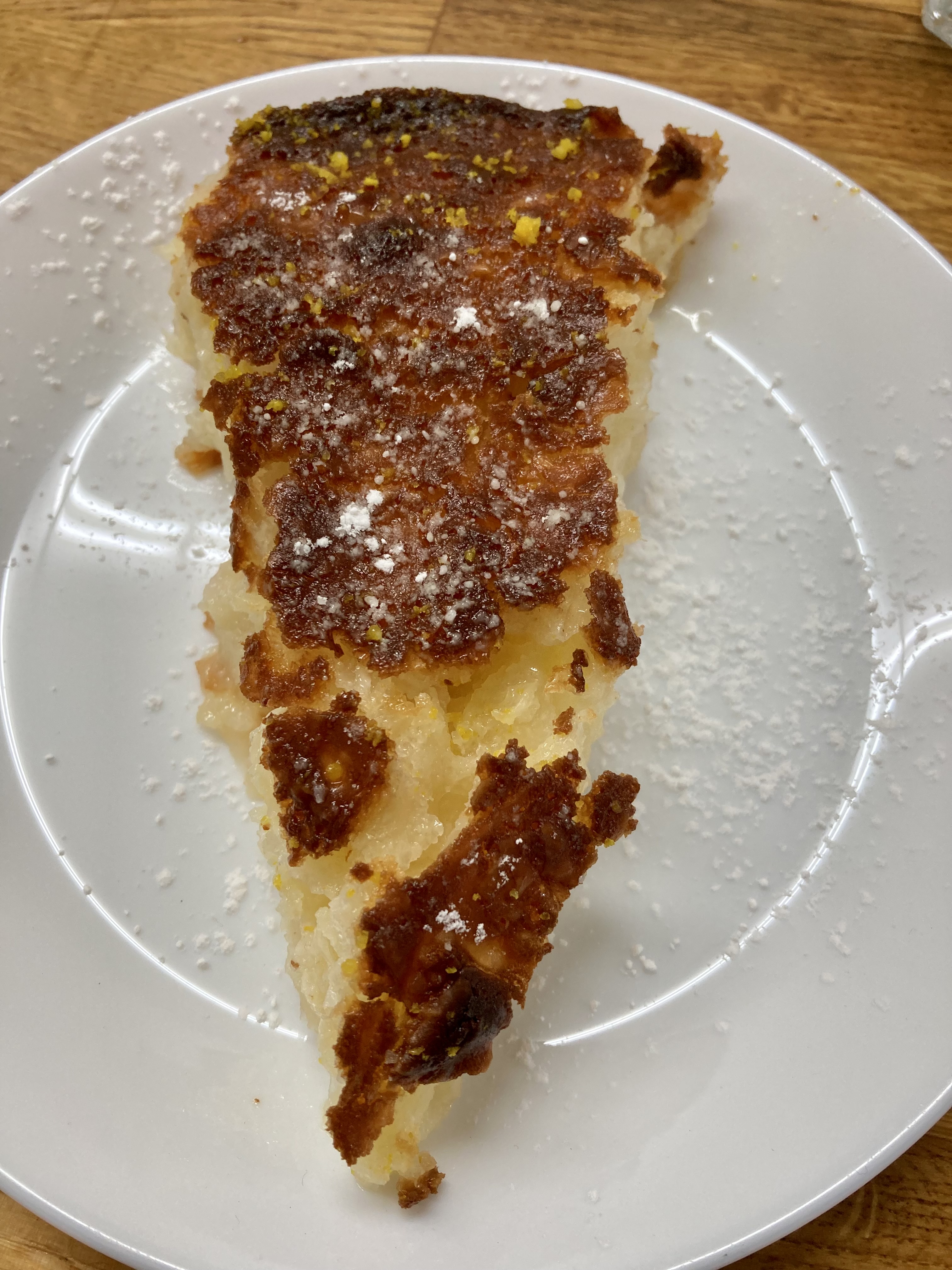
Also, the desert, orange pie, which is made from yogurt and filo dough, though underwhelming to look at, was sooooo good!! I took a slice home from the class and am seriously thinking about attempting to make it at Christmas time! 😋
Monastiraki Flea Market
Near the food markets where I took the cooking class is an interesting section of streets selling everything from food, to sporting goods to lamps, all mostly second hand.
Syntagma Square
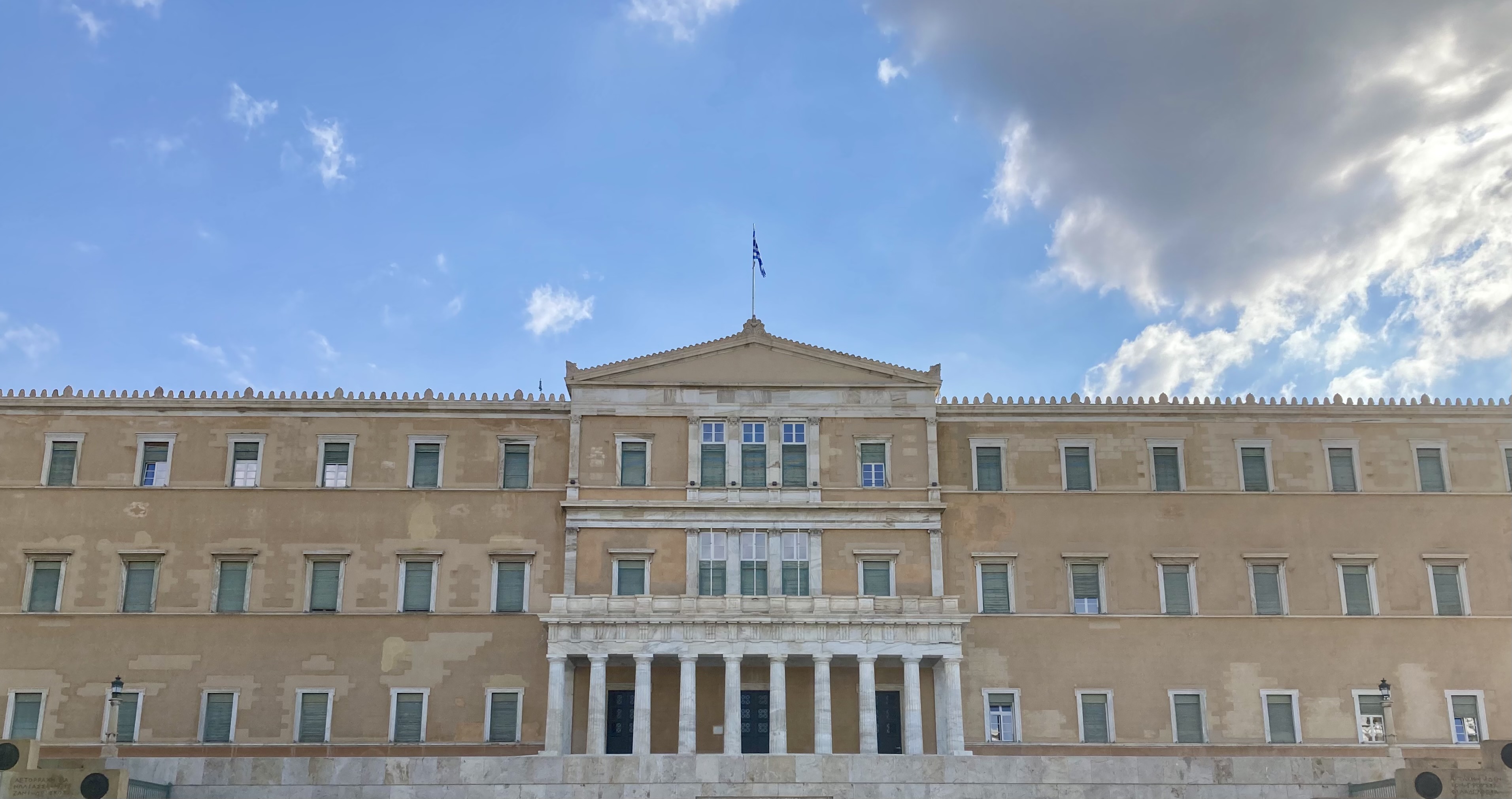
Also called ‘Constitution Square’, is the central square in Athens. The Old Royal Palace faces the square and is home to present day Greek Parliament.
Located just in front of the Old Royal Palace is a monument to The Tomb of the Unknown Soldier, honoring all fallen Greek soldiers of battles past. It is constantly guarded by Evzones, the elite force of the Greek Army. Their uniforms are inspired by the typical Greek soldier of the 19th century.
The City
Walking around the city, it was neat to be able to catch glimpses of the Acropolis between streets and through the trees.
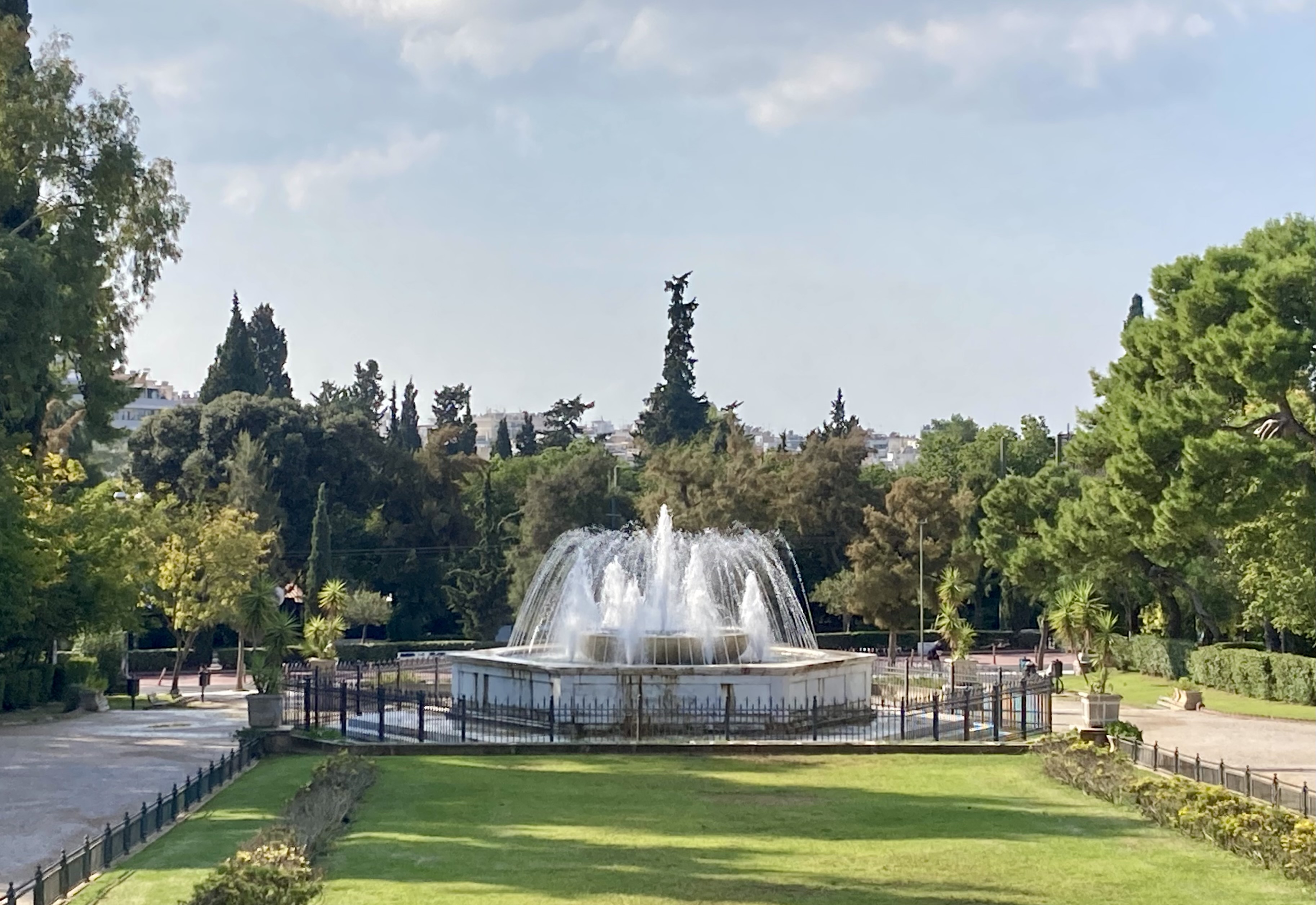
Behind Syntagma Square is a National Garden that had a lovely fountain with live turtles swimming around it.
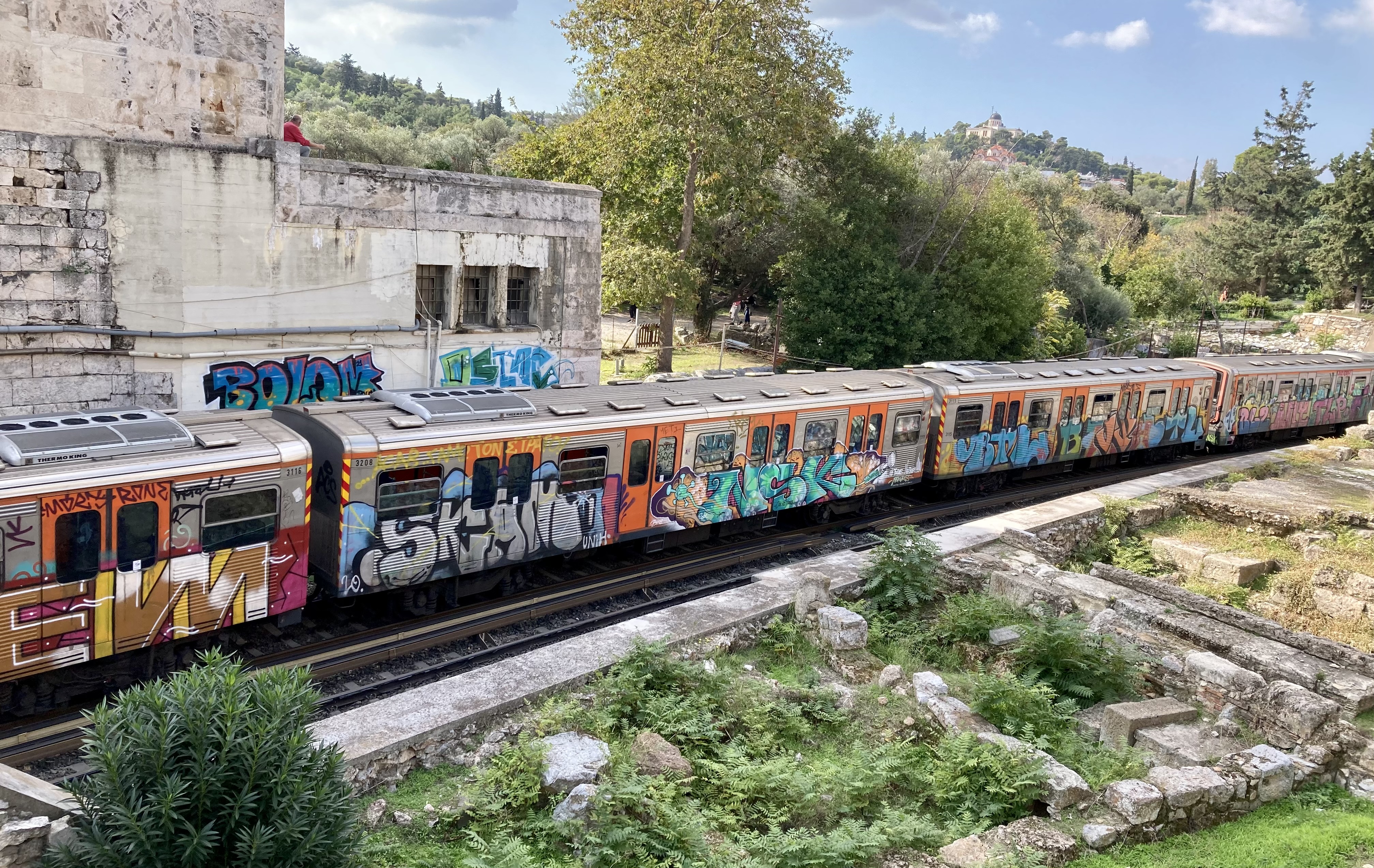
There is graffiti throughout the city, often near cordoned off areas of old ruins, which felt like a unique dichotomy. I was impressed with the number of bright murals along busy walking paths as well.
As in other places around Europe, there were often cats wondering or sleeping in random spaces in Athens. I found this whole group hanging out the morning I walked to the acropolis, and this guy outside my kitchen window. 😂
Thanks again for checking out the blog! More to come =)
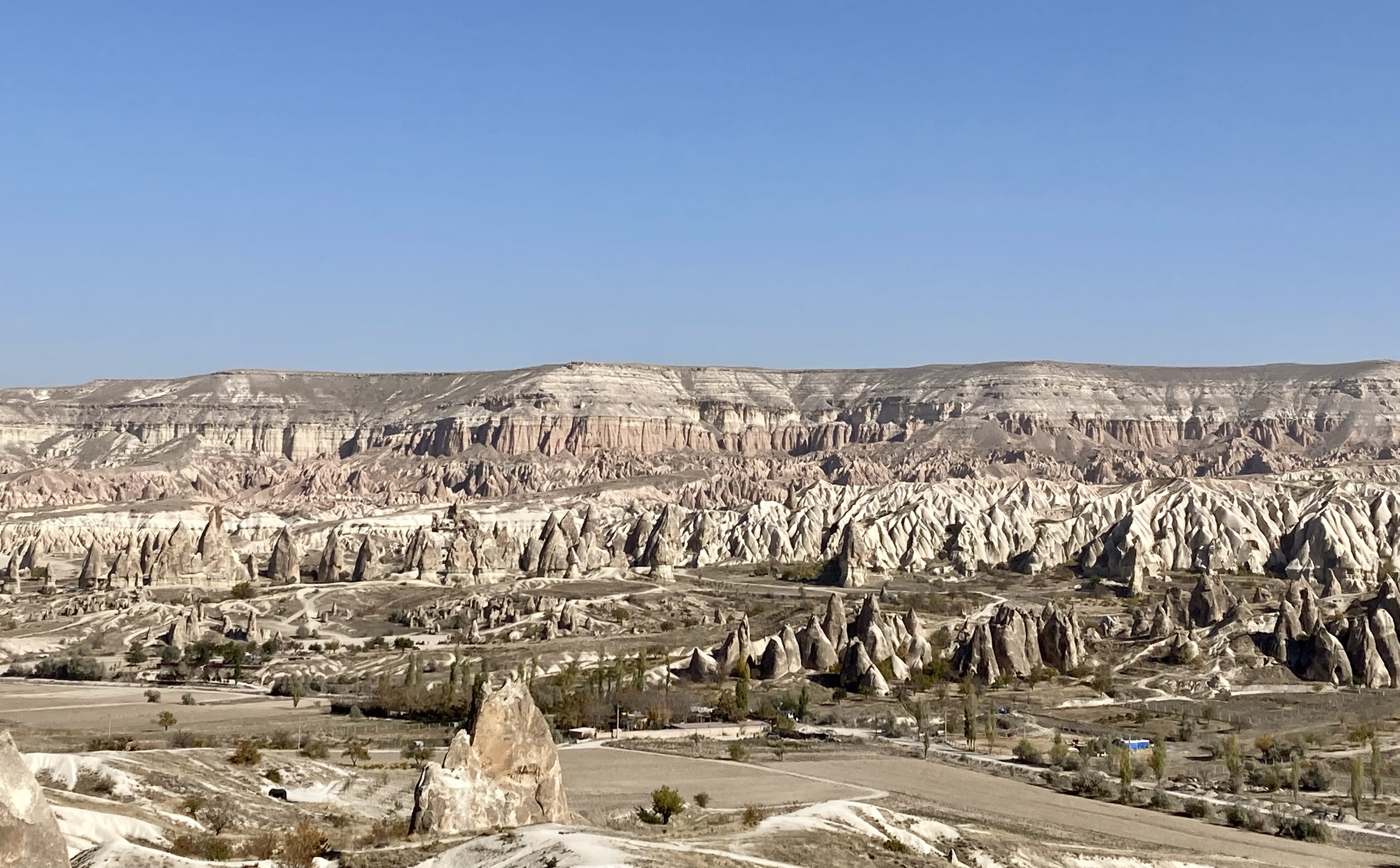
‘Land of Beautiful Horses’ in Persian, Cappadocia is home to beautiful fairy chimneys and unusual rock formations. They were created by soft volcanic rock that has been shaped by erosion into towers, cones, valleys and caves. Some of the landscape reminded me of SW Colorado and Utah. It is arid and dusty with apricot orchards and aspens trees dotting the country side.
Goreme
I stayed in the little village of Goreme, which had narrow, winding roadways and friendly people who would say hello out the window when driving by!
Cave Hotel
Staying in a cave hotel, one that is set into the rock, was definitely something I was looking forward to. The hotels are all family owned. My room was on the 2nd floor and had a window, so wasn’t damp or overly dark. However, the wall would occasionally crumble a bit and I would hear debris fall to the floor. 😂
My stay here also included a Turkish breakfast, but this one was enormous! For just me, it took up an entire table for 4. It was a feast! 😋
Hot Air Ballooning!!
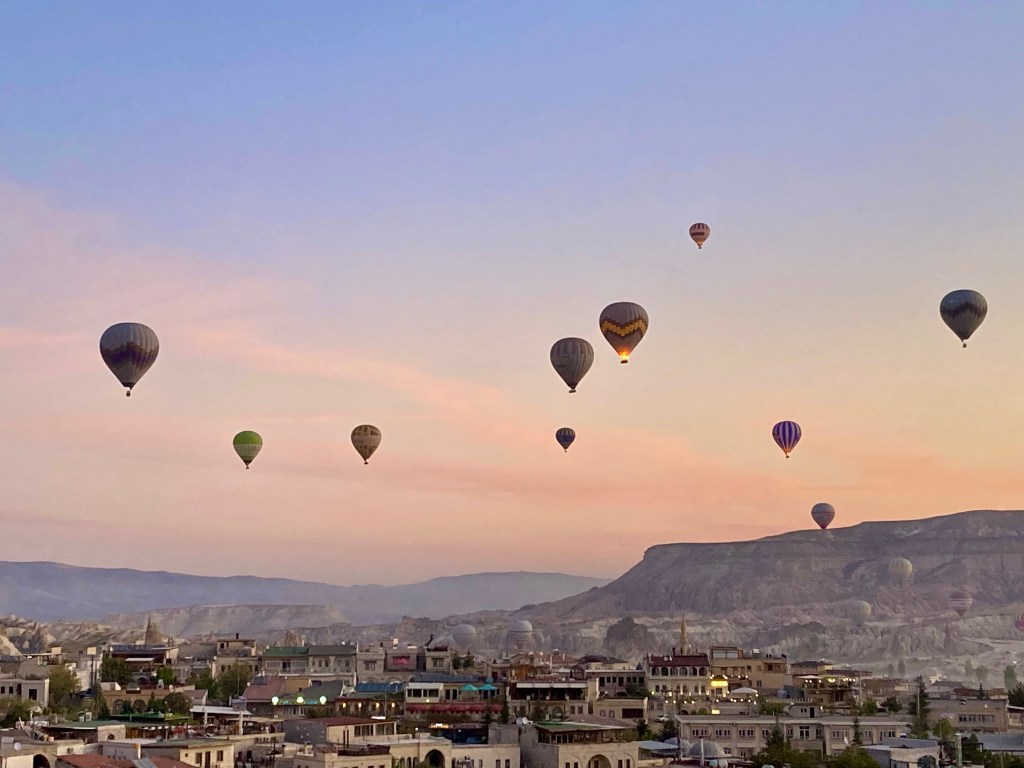
This was definitely the highlight of my stay here! It was absolutely breathtaking and so unique to see the landscape in this way. Our female pilot guided us over white rock valleys with aspen trees, our basket skimming the tree line! We then ascended to just over 2,700 feet, watching all of the other balloons as the sun rose in the distance. We celebrated with champagne after a soft and smooth landing. I took so many photos, but here are a few of my favorites.
Kaymakli Underground City
First opened to tourists in the 1960s, this underground city was likely established within the soft volcanic rock in the 8th-7th centuries B.C. by the Phrygians. It was expanded in the Byzantine era when it was used for protection from Muslim Arab raids.
According to our guide, it held livestock near the entrance and had a system of long running vertical tunnels to aid with oxygen in the network of rooms underground. There was a church, winery and large kitchen with social area. There is a large rock that was used to block an exit and it looks like something out of Indiana Jones.
Several of the tunnels were incredibly narrow and we were warned about not coming in if we have any claustrophobia. Only 10% of the underground city is open to tourists!
I was only able to snap one quick picture of the map they had at the entrance to show what the rooms look like. It’s a bit blurry, but so interesting to know that an underground city was built and that people actually lived here!
Exploring the area
I took a day tour to see some of the unusual rock formations around the area. We started at a place called Imagination Valley that is known for rock formations that look like animals and other objects. The most famous is the camel, and I thought I found a chili pepper as well. 😉
We walked across a suspension bridge in the little town of Avanos. The Red River is the longest river in Turkey.
My hotel manager was nice enough to take me to a pretty look out spot over Goreme as well.
We also toured a place called Zelve Ruins which contain some of the most prominent of the area’s well known fairy chimneys.
I took the tour with a big group of digital nomads, mostly from the US, who travel full time and work remote. The one I asked to take my photo was a total goofball and I could not stop laughing! 😂
Love valley was our last stop. Couples will buy a small pottery container and write their names on it, then tie it to the few trees marking the landscape.
Horseback Riding
I decided to try horseback riding for an afternoon through the unique terrain. My horse was a bit sassy and hated when I tried to get her to slow down, but she was also pretty good at staying with the rest of the group without my having to direct her, so it was very enjoyable!
Overall, I found Turkey to be incredibly friendly and safe! Everyone in Cappadocia treated me like a guest rather than a tourist. This has definitely been one of my favorite countries.
One last picture of balloons from my hotel rooftop on my last day here. Lovely!
Traveling to Turkey from Poland was awful! After an incredibly long day of frustration after frustration, I was quite discouraged and admittedly, not overly excited about being here.
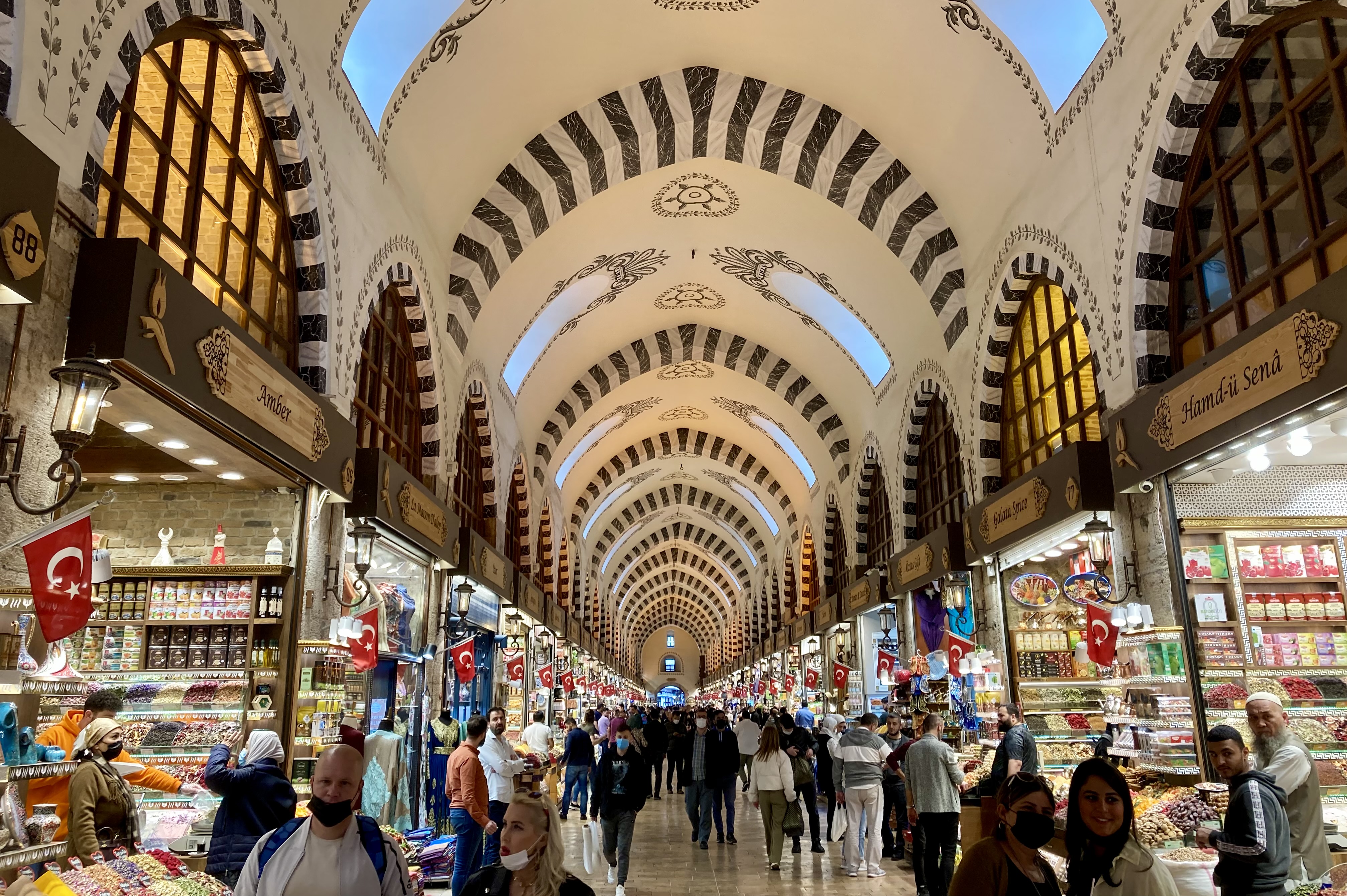
To my surprise and relief however, I ended up meeting some really friendly tourists while waiting in line at several sites, tried some really tasty Turkish food, experienced my first Hammam (Turkish bath), and was delighted by the Spice Bazaar. Turkey definitely grew on me after that initial rough start. 😉
View from the rooftop of my hotel in Sultanahmet
Food!
My hotel stay in Istanbul included a traditional Turkish breakfast every morning. It always had olives, cheese, thinly sliced meat, tomatoes, cucumbers and a hard boiled egg. There was also an assortment of fresh bread, pastries or coffee cake. Yum!
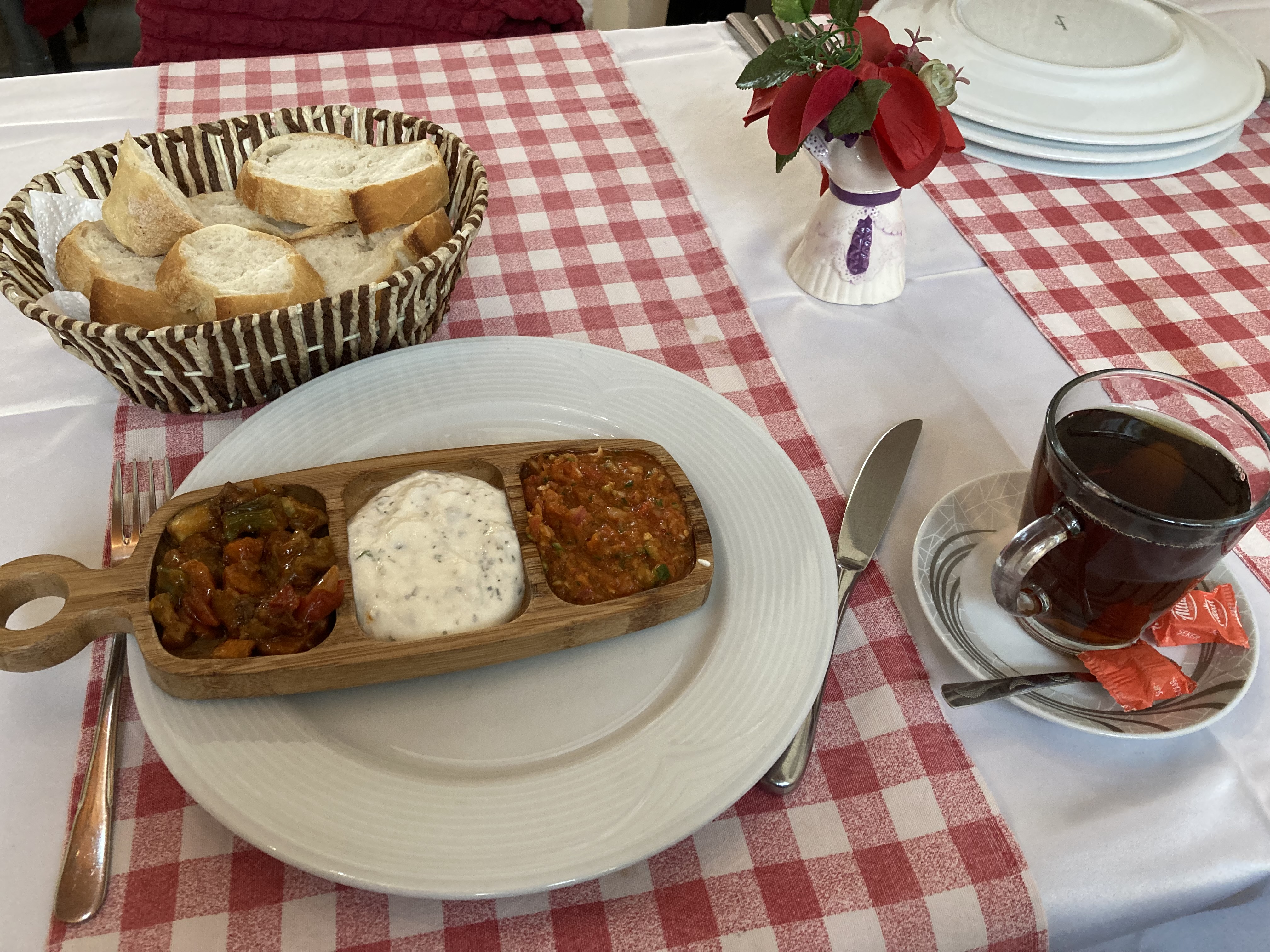
There were lots of restaurants to choose from near my hotel and each were really wonderful! I tried Pide, or ‘Turkish pizza’, vegetable casserole, fresh bread with dipping sauces, Turkish tea and of course, baklava.
The most impressive aspect of eating out here was the hospitality and friendliness of the staff at each restaurant. I felt warmly welcomed, the owners would often come out to speak to me and at one place, I received a complimentary appetizer and dessert!
Hagia Sofia Mosque
This mosque was originally a church! Built in 537, it began as the patriarchal cathedral of the imperial capital of Constantinople. In 1453 after the fall of Constantinople to the Ottoman Empire, it was converted into a mosque.
I met a super cute couple from the UAE while waiting in line to see the mosque. They were really excited to meet someone else who spoke English as they had been traveling through Turkey for the last week and struggled with the language barrier. Before leaving, they asked if we could take pictures together.
Sultan Ahmed Mosque
Across from the Hagia Sofia is the Sultan Ahmed Mosque, also known as The Blue Mosque. I was excited to see this mosque because it is known for it’s beautiful interior walls and being bathed in blue light on the outside at night.
There was a huge line at the entrance when I first got there. It went fairly quickly, and it is free to enter, but it wasn’t until we were all inside the mosque that we realized that the entire thing is under heavy construction! The only aspect that we could see of the original interior was this tiny area of exposed ceiling. According to a local shop keeper, it has been under construction for 3 years. It was so funny to have waited in such a long line to mostly only see a bunch of construction materials. 😂 Oh well! Maybe next time.
Topkapi Palace
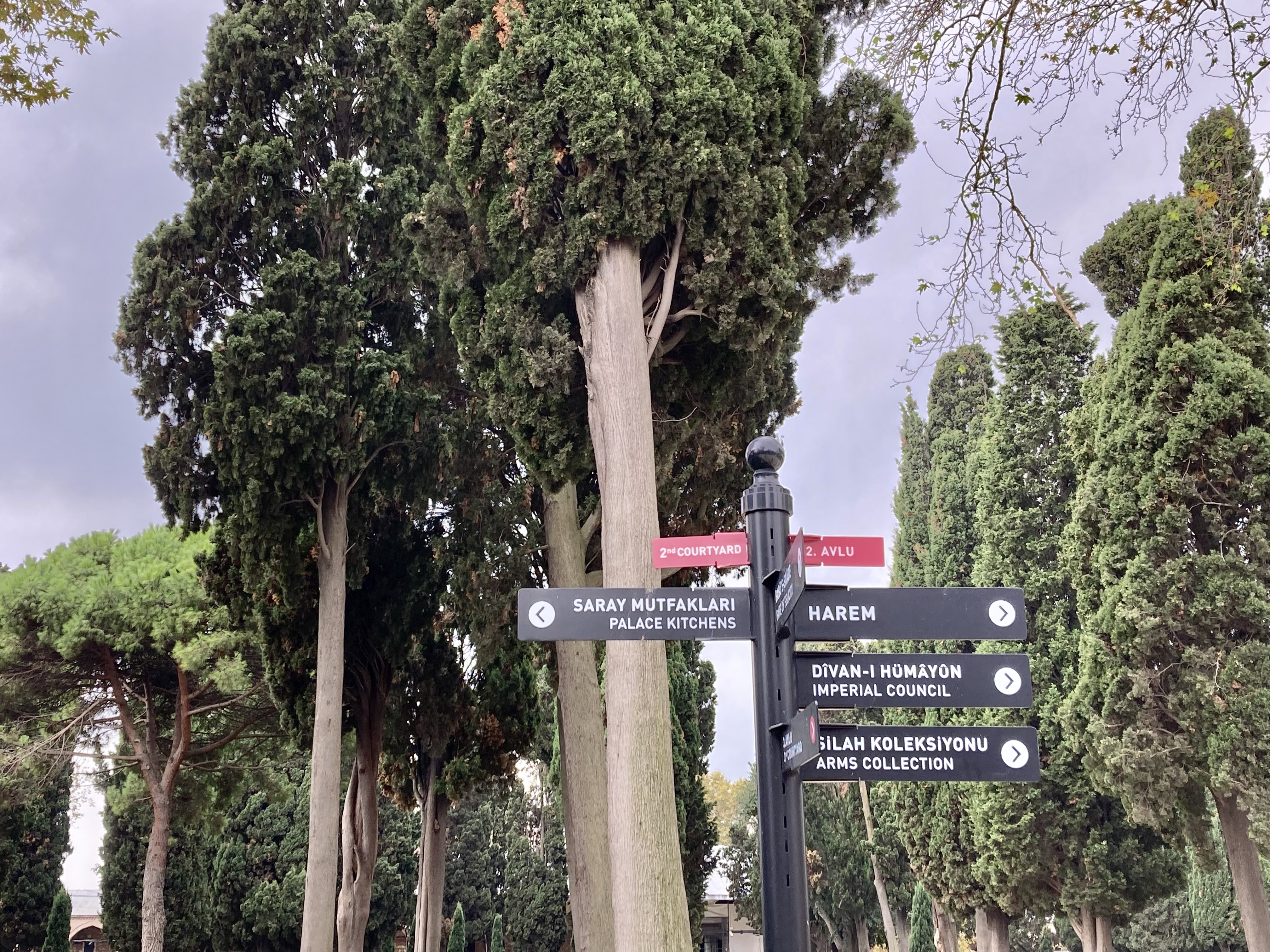
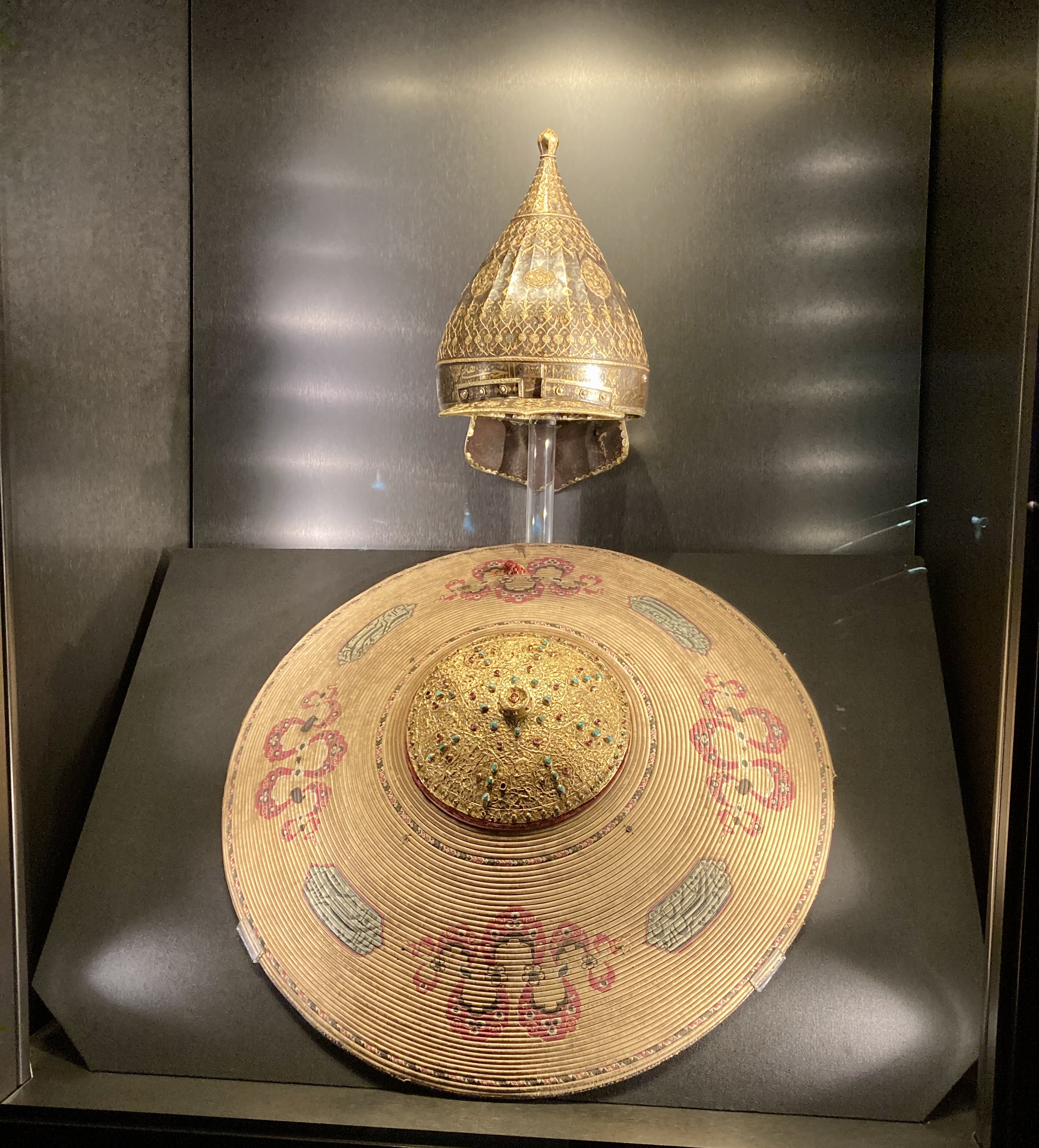
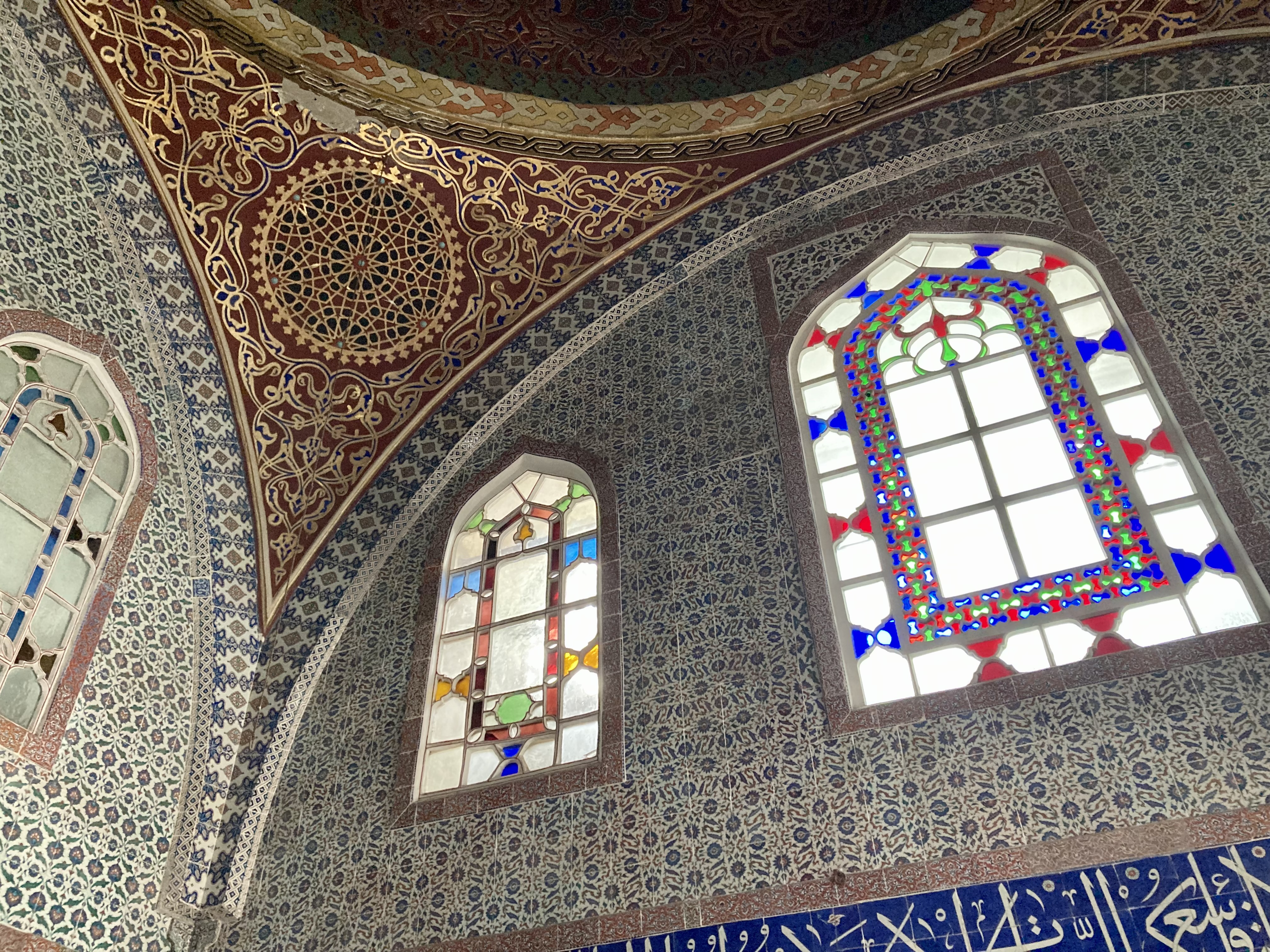
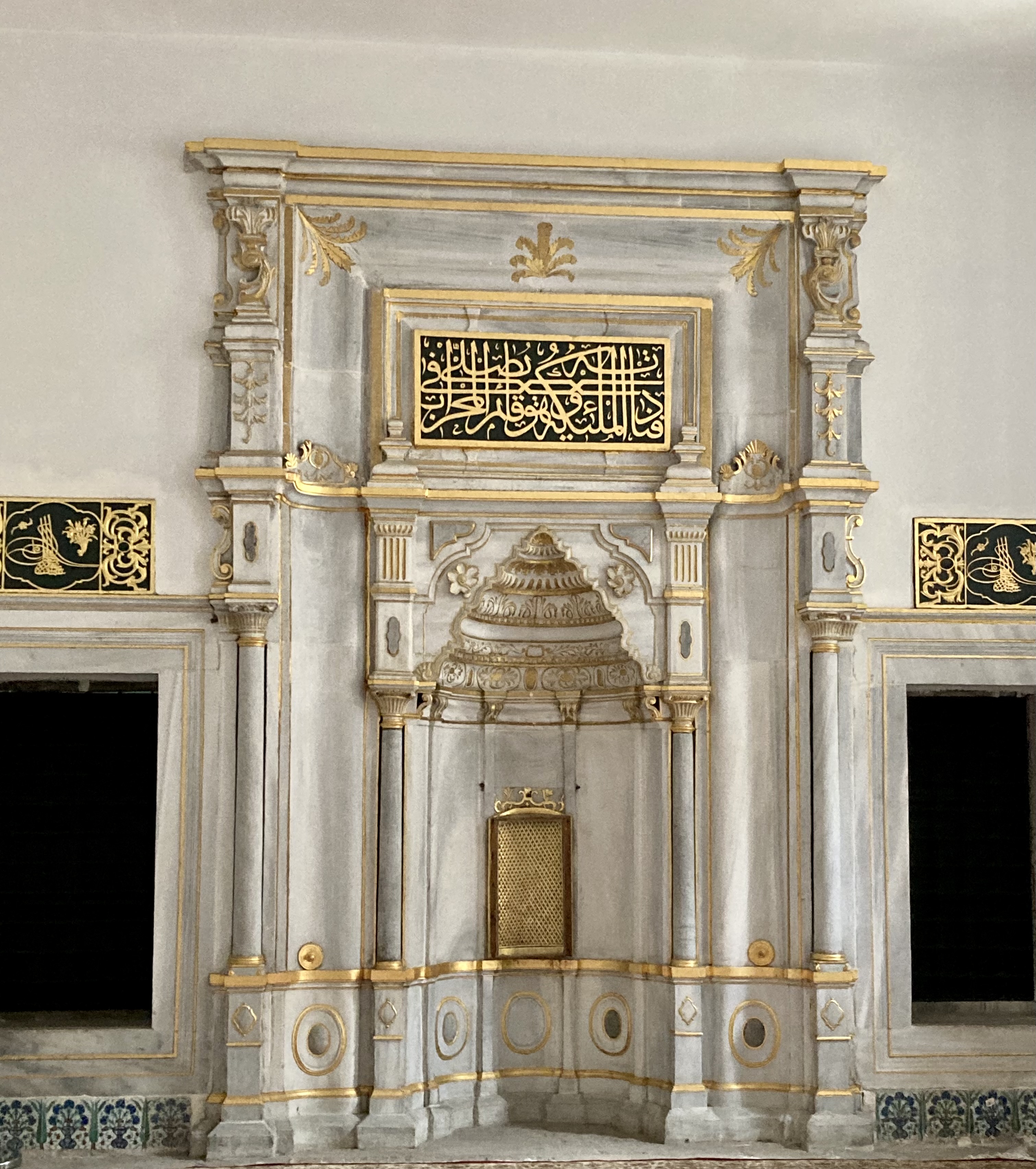
In the 15th and 16th centuries, this palace served as the main residence and headquarters of the Ottoman sultans. It is now a museum that consists of four courtyards and several large buildings with kitchens, a former harem, and administrative buildings. It also has displays of Ottoman weaponry.
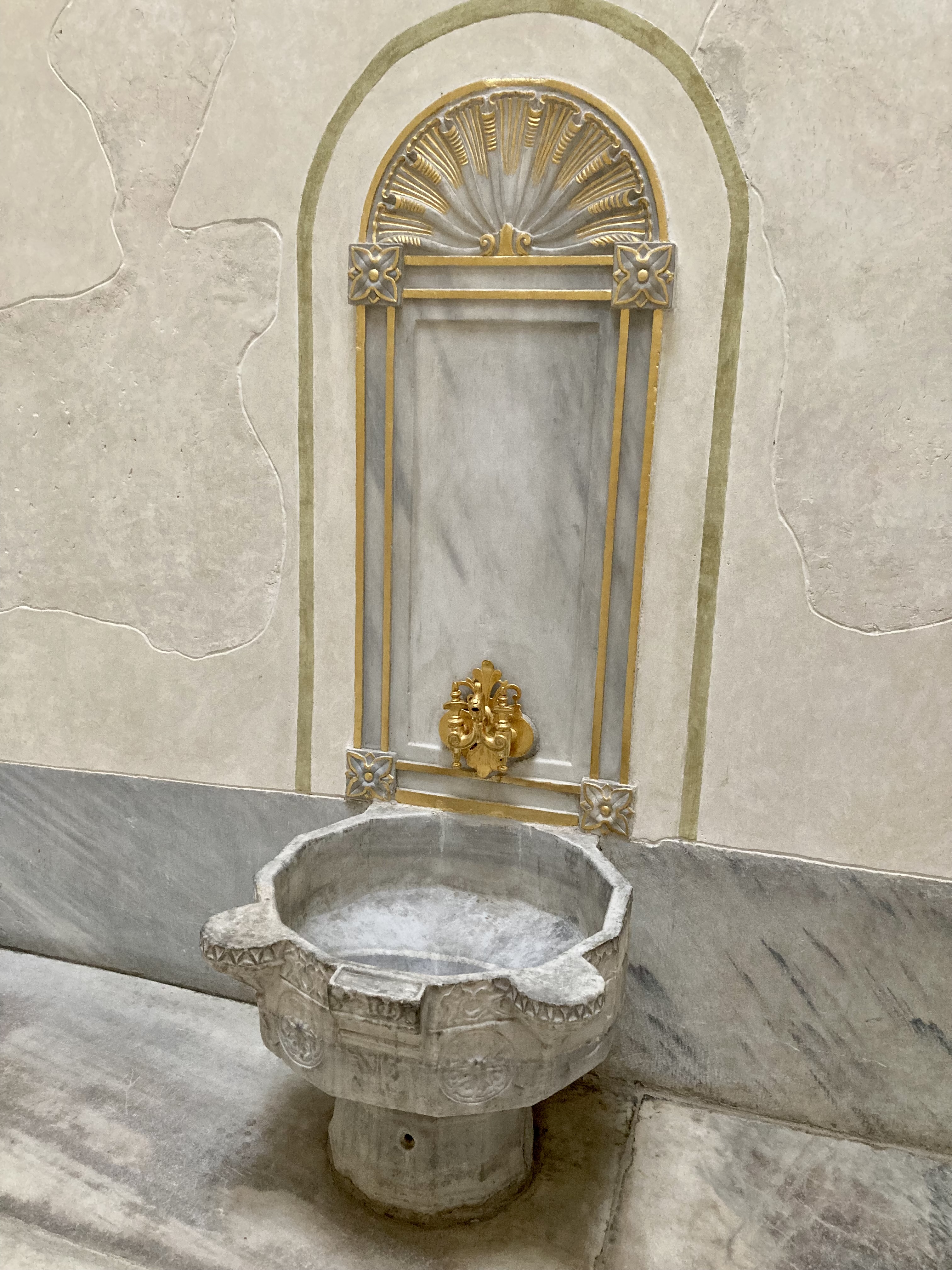
The palace interior had so many beautifully painted tiles and intricate ceilings with a lot of gold detailing. The baths were large and impressively designed with lots of light. My pictures don’t really do it justice, the place is so pretty, I can’t believe people actually lived here.
I met another super friendly couple while waiting in line for an audio guide. They are from Pakistan and we checked out some of the sites together. At the end, they asked if we could take pictures as well! 😁
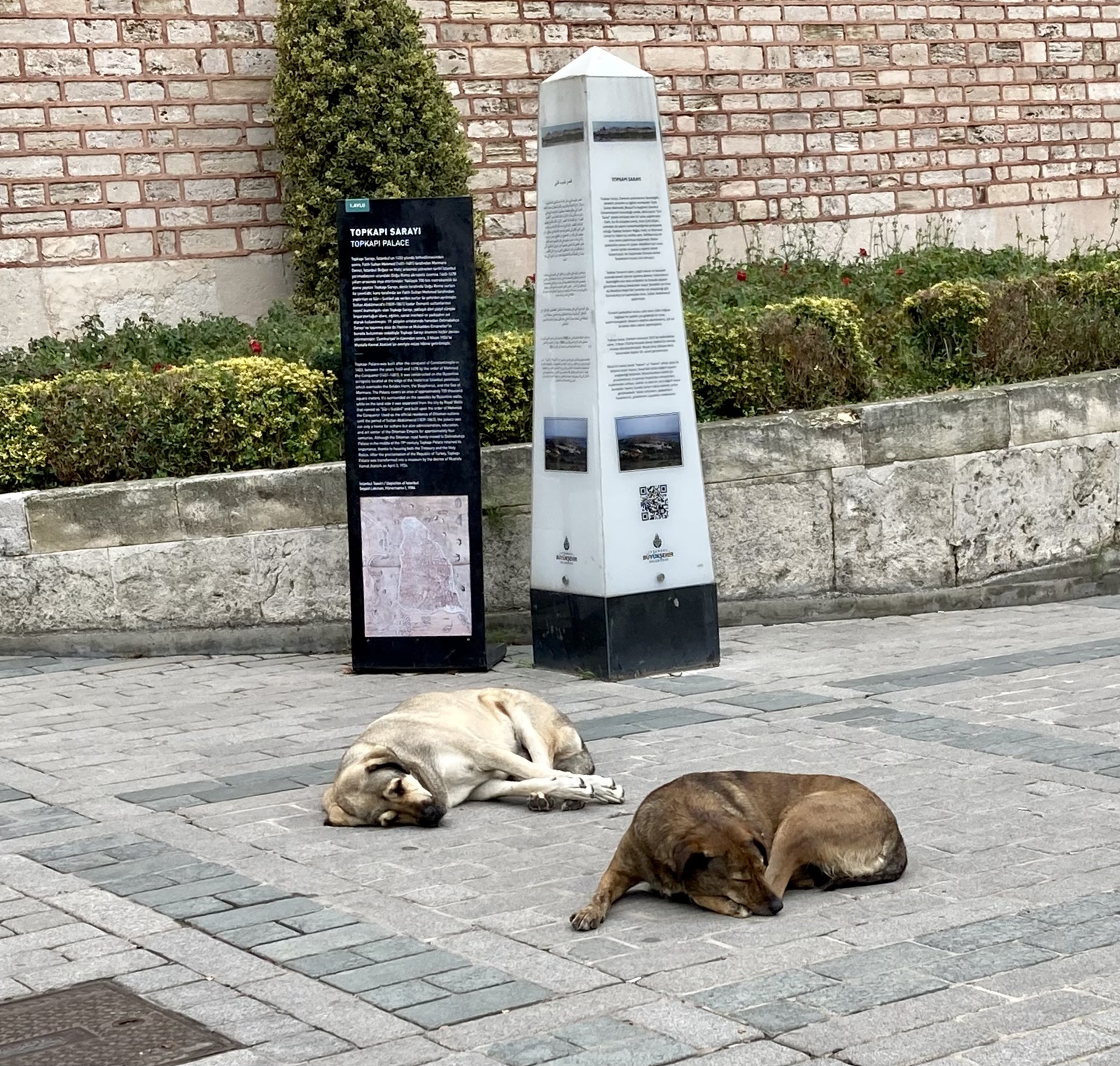
There have been a lot of stray cats in many of the places that I’ve visited, but in Turkey, there were a surprising number of large dogs roaming around or taking naps in the midst of tourist hot spots (and at ATMs).
Hammam (Turkish Bath)
A friend in Tanzania had mentioned that if I ended up visiting Turkey, I had to try a hammam. Not having heard of this previously, I did some research and found that a hammam, or Turkish bath, is a specialized spa tradition that dates back to ancient Arabia. It is a practice of cleansing the body via steam and flowing water.
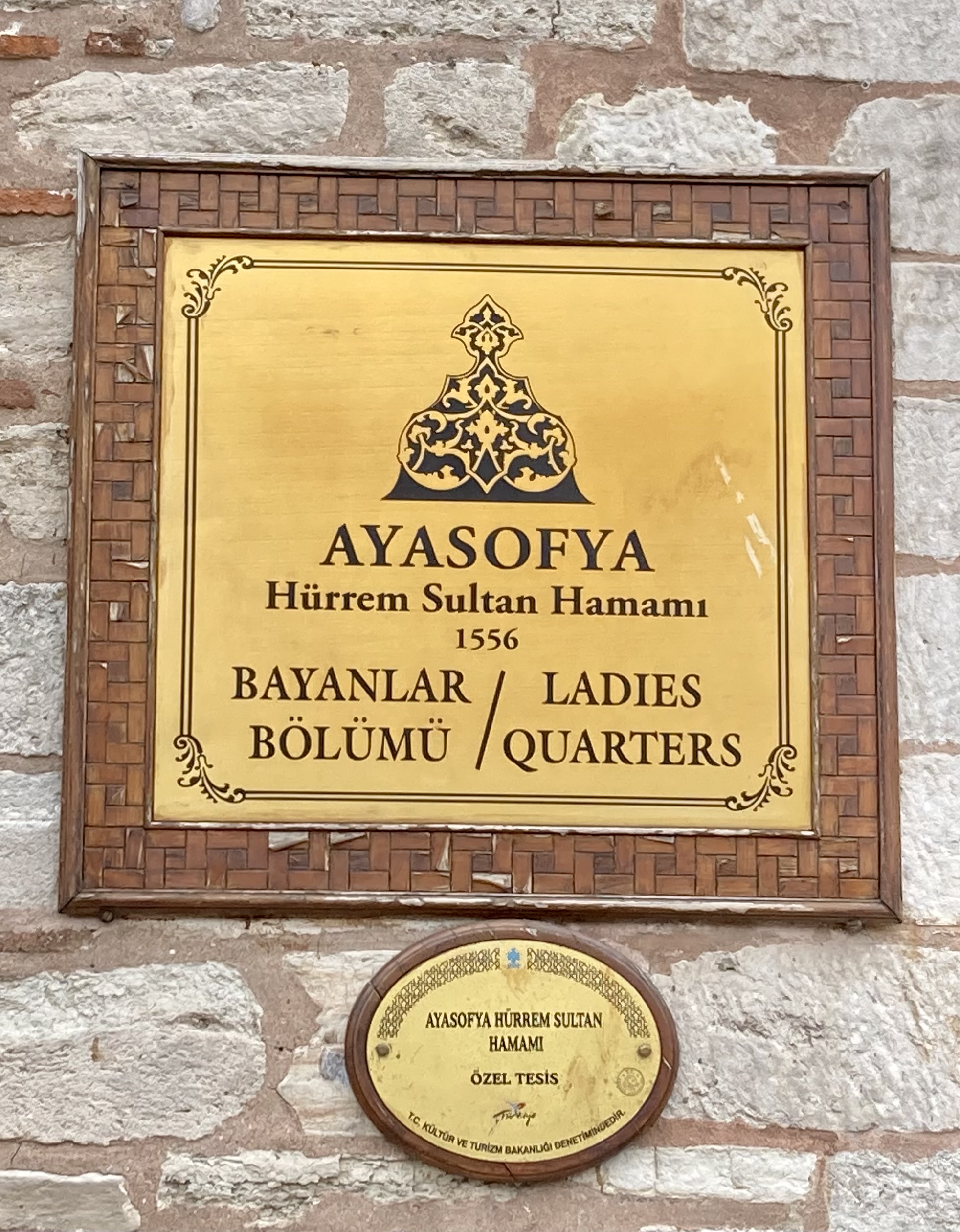
I booked a 45 minute treatment at the Ayasofya Hurrem Sultan Hamam, built in the 16th century, and located between the Hagia Sofia and the Blue Mosque. I was equal parts excited and also a bit nervous. I had heard that you need to ‘leave your vanity at the door’ because you’re nearly naked during this treatment.
You guys, it was awesome though!! The facility was beautiful, the staff were welcoming and the treatment, though a touch awkward at first, was relaxing and unique. They do a type of warm steam relaxation in this beautiful marble room with pillars, a body scrub, a bubble massage, and then washed and conditioned my hair! Afterward, I was left to rest in this pretty pillowed area and given a bottle of water, some juice and Turkish delight. I left feeling totally happy, mellow and refreshed!
The Spice Bazaar (Misir Carsisi)
If you get a chance to visit Istanbul, this place was a definite highlight for me! It was bright and beautiful! They have candy, tea, spices and dried fruit on display and the presentation, colors and smells are so inviting.
The Grand Bazaar
Opened in 1461 with 61 covered streets and over 4,000 stores, this was one of the world’s first malls! There are a lot of exposed pipes, beams and electric cords in the midst of pretty hanging lanterns and scarves. It is easy to get turned around in here, but was neat to explore.
Galata Bridge
Spanning the Golden Horn, this bridge is full of local fisherman. Crossing the bridge, to the west is Europe and to the east, across the Borphorus, is Asia. Below the bridge you can find restaurants that sell fresh fish throughout the day and several pretty mosques are visible as you walk across it.
Hippodrome of Constantinople
This was a former public arena and mainly used for chariot races. It was also home to gladiatorial games, official ceremonies, celebrations and torture of convicts. It functioned in Roman, Byzantine and Ottoman periods. (This isn’t the best photo of the area, but I was trying to be quick to avoid several local vendors that were approaching me at the same time).
The sellers and vendors here tended to be a little more suave and flirty in their approach. I got a lot more compliments and comments on my appearance, clothing, sunglasses, etc. They were definitely less aggressive than those that I met in Zanzibar.
Overall, people were friendly and a firm ‘no’ usually stopped any unwanted selling tactics. The food was delicious and I never felt unsafe traveling as a solo female.
The history of this country is fascinating and tragic, having been invaded by both Germans and the Soviets (starting WWII), being home to the largest Nazi concentration camp, and having been under Communist rule until the late 1980s.
The people I met were friendly and kind, and the food was interesting and surprisingly tasty. I really loved my time here!
St. Mary’s Basilica
This church in Krakow was built in the 14th century and is a UNESCO World Heritage site. An example of Polish Gothic architecture, every hour, a trumpeter plays a signal from one of its towers into the Old Town Square. The church exterior is modest in comparison to other European churches, but the sanctuary is ornate and intricate with a lovely blue ceiling.
Town Square
The Town Square in Krakow dates back to the 13th century and is the largest medieval town square in Europe.
Walking around the city
The Old Town is surrounded by a green space and walking path. Near the town square is Wawel Castle. My airbnb was also within walking distance to Kazimierz, the Former Jewish District, with lovely buildings and the New Jewish Cemetery.
Krakow Food Tour
I took an evening food tour while in Krakow. Our guide was a Polish woman who grew up during Communist rule and she had so many interesting stories about that time!
One story was that during the Christmas holidays, families traditionally bought and prepared carp from the local market. Often the fish were difficult to come by and so families tended to buy them live, 1-2 days prior to Christmas, and allow them to swim in their bathtubs until they were killed and prepared on Christmas Day. She remembered playing with the fish every year and being very excited about not having to take a bath right before Christmas. 😂
We started the food tour at a local pierogi restaurant, where we sampled 3 savory and 1 sweet type of pierogi, all of which were really delicious! 😋
Next we visited a restaurant that served fresh borsht and a fermented milk based soup with potatoes and other veggies. Our guide told us that soup was very popular in Poland during Communist rule because it’s cheap to make and warm during Poland’s cold winters.
Our third stop was in a place that let us try traditional hearty dishes like potato pancakes, goulash, beet salad and dessert apple fritters.
Lastly, we stopped at a local bar to sample 2 types of Polish beer and 2 types of flavored Polish Vodka. It was a fun night!
Auschwitz
Having read a lot about WWII, I knew I wanted to visit Auschwitz. It was heartbreaking and overwhelming, but definitely an important site. I took a day tour to see the original Auschwitz, a former military base about an hour away from Krakow, which was initially a concentration camp for Polish political prisoners. Over time, it became the site of mass exterminations.
Auschwitz II-Birkenau
We also saw Auschwitz II-Birkenau, which was built during the war, in 1941, in order to carry out Hitler’s ‘final solution to the Jewish problem’. This site was enormous, so much larger in scale than I could have ever imagined, which made it all the more sad and shocking. One cattle car was still on the premises. These were used to transport Jews to the camp from all over Europe, often taking 2-3 days with few or no stops.
The barracks we visited would hold up to 700 people at a time, 5+ people being assigned to each level of 3 levels of bunks, the lowest on the floor. Each barrack only had 8 toilets. The barracks were not insulated, so incredibly hot during the summer and freezing in winter.
Thankfully, both gas chambers and crematoriums were destroyed after the war with dynamite. Now only rubble remains. A memorial from the 1960s stands at the edge of the camp with plaques reading the same line in 19 different languages, all the languages of prisoners in the camp.
Wieliczka Salt Mine
This salt mine is over 700 years old and extends 1072 feet below the surface of the ground! It has horizontal passages and chambers spanning over 178 miles. This mine provided table salt from the 13th century until 2007 and is now an official Polish Historic Monument and UNESCO World Heritage Site.
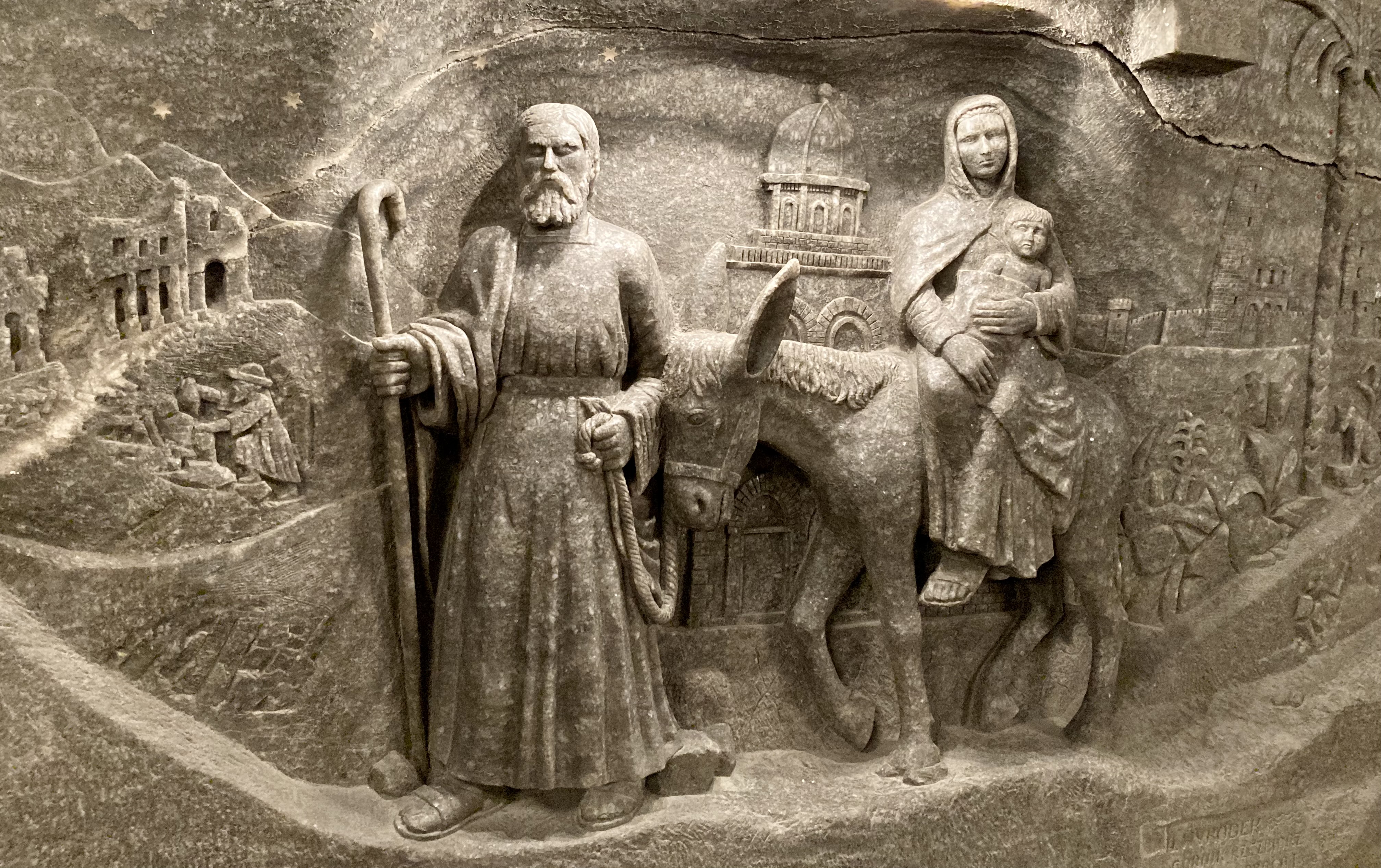
It has over 300 steps down to the first chamber, several chapels, and many intricate sculptures made out of salt. Several sites within the mine show how the original miners used hand tools to excavate the mine, working for 8 hours at a time and then ascending via salt stairways that were wet and slippery. In the beginning of the 16th century, horses were lowered into the mines and lived there for up to 5 years at a time, to aid with mining operations.
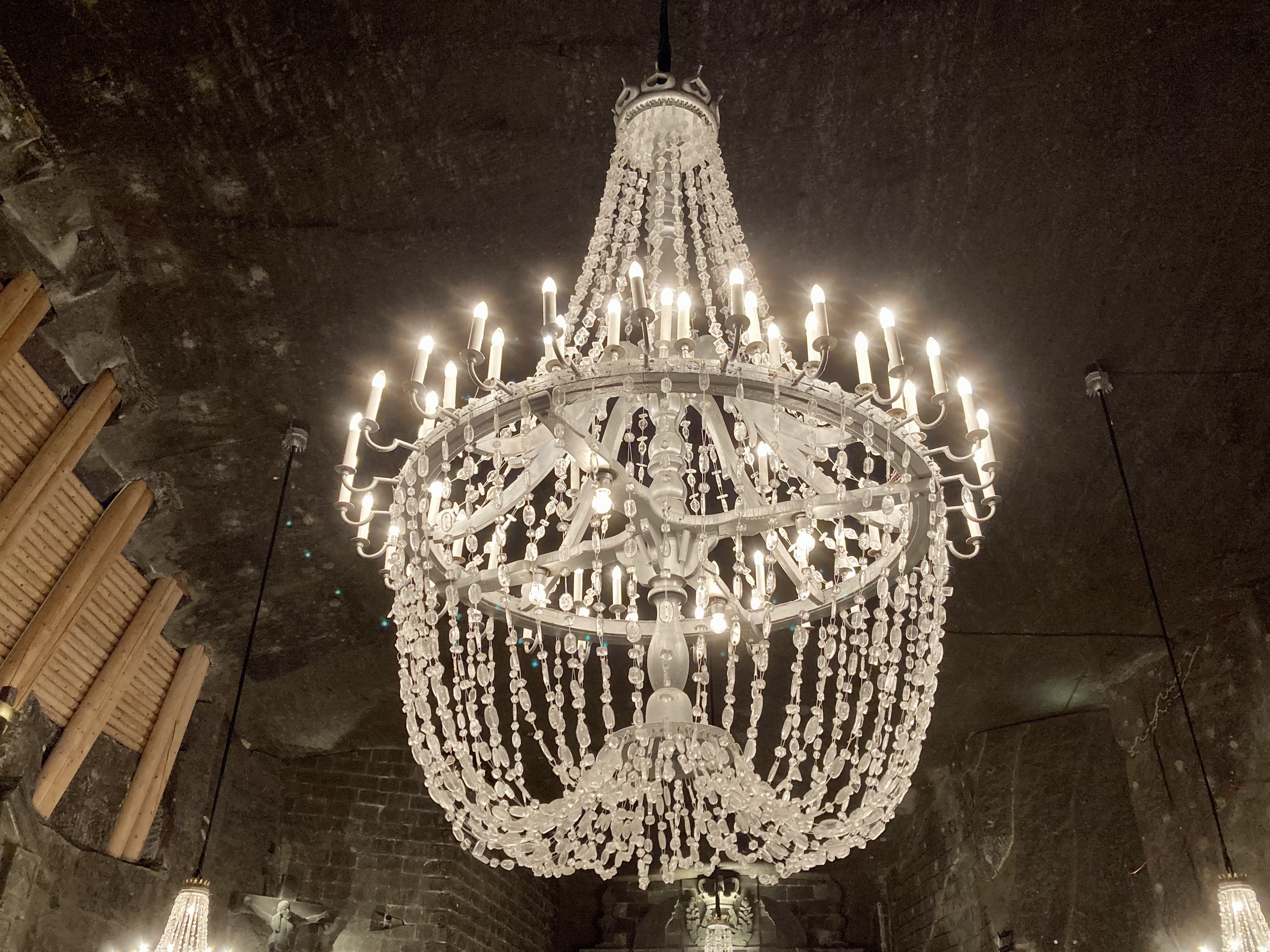
There are several underground chapels carved from the salt within the mines, the largest of these is the St. Kinga chapel, where church services and weddings are still held. The chandeliers are made of salt crystals. The sculptures are very detailed, which is impressive since the salt is quite crumbly and can fall apart easily.
It’s 3 months since I left the US! Thank you for coming on this adventure with me! Next stop: Turkey 😀




















































































 The Adventure that Awaits